
1. Executive Overview: Why GMP Certified Cosmetic Manufacturing Defines Brand Trust in Modern Beauty
In today's hyper-competitive global beauty ecosystem, brand success hinges not merely on aesthetic marketing, but on bulletproof product safety, batch consistency, and chemical efficacy. Navigating the regulatory landscape—from the United States FDA Modernization of Cosmetics Regulation Act (MoCRA) to European Union EC 1223/2009 standards—requires partnering with a contract manufacturer operating at the peak of technical expertise. GMP Certified Cosmetic Manufacturing represents the gold standard in cosmetic production, ensuring every emulsion, serum, cleanser, and lotion meets rigorous micro-biological, physical, and chemical benchmarks.
At MYT Cosmetics Manufacturing, we bring over 30 years of specialized manufacturing authority to global brand owners, distributors, and retail enterprises. Good Manufacturing Practice (GMP) is not simply a certificate on a wall; it is a systematic methodology governing raw material qualification, cleanroom air purity (ISO Class 8/Class 100,000 standard), HVAC filtration, purified water system sanitization, and automated batching precision. By integrating full-spectrum OEM and ODM services, we bridge the gap between initial conceptual R&D and shelf-ready retail execution for brands across North America, Europe, Asia-Pacific, and the Middle East.
Information Gain Insight: The MoCRA Paradigm Shift
Under FDA's MoCRA framework, cosmetic brands are legally responsible for adverse event reporting, facility registration, and safety substantiation. Choosing an uncertified or non-compliant manufacturing facility introduces severe commercial risks, including product recalls and import alerts. MYT Cosmetics operates fully audited cGMP & ISO 22716 production environments, providing full lot traceability, Certificate of Analysis (COA) for every batch, and safety data sheets (SDS) aligned with international regulatory dossiers.
2. Comprehensive OEM & ODM Product Portfolio
Leveraging a database of more than 500 stabilized, market-proven formulations, MYT Cosmetics offers customized contract manufacturing across four distinct personal care categories. Every formula can be modified with custom active concentrations, bio-botanicals, and signature aromatic profiles to align with your brand positioning.
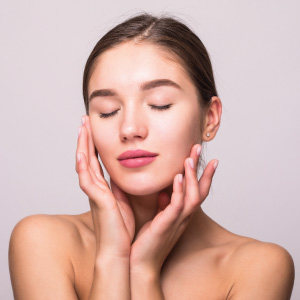
Facial Skincare Range
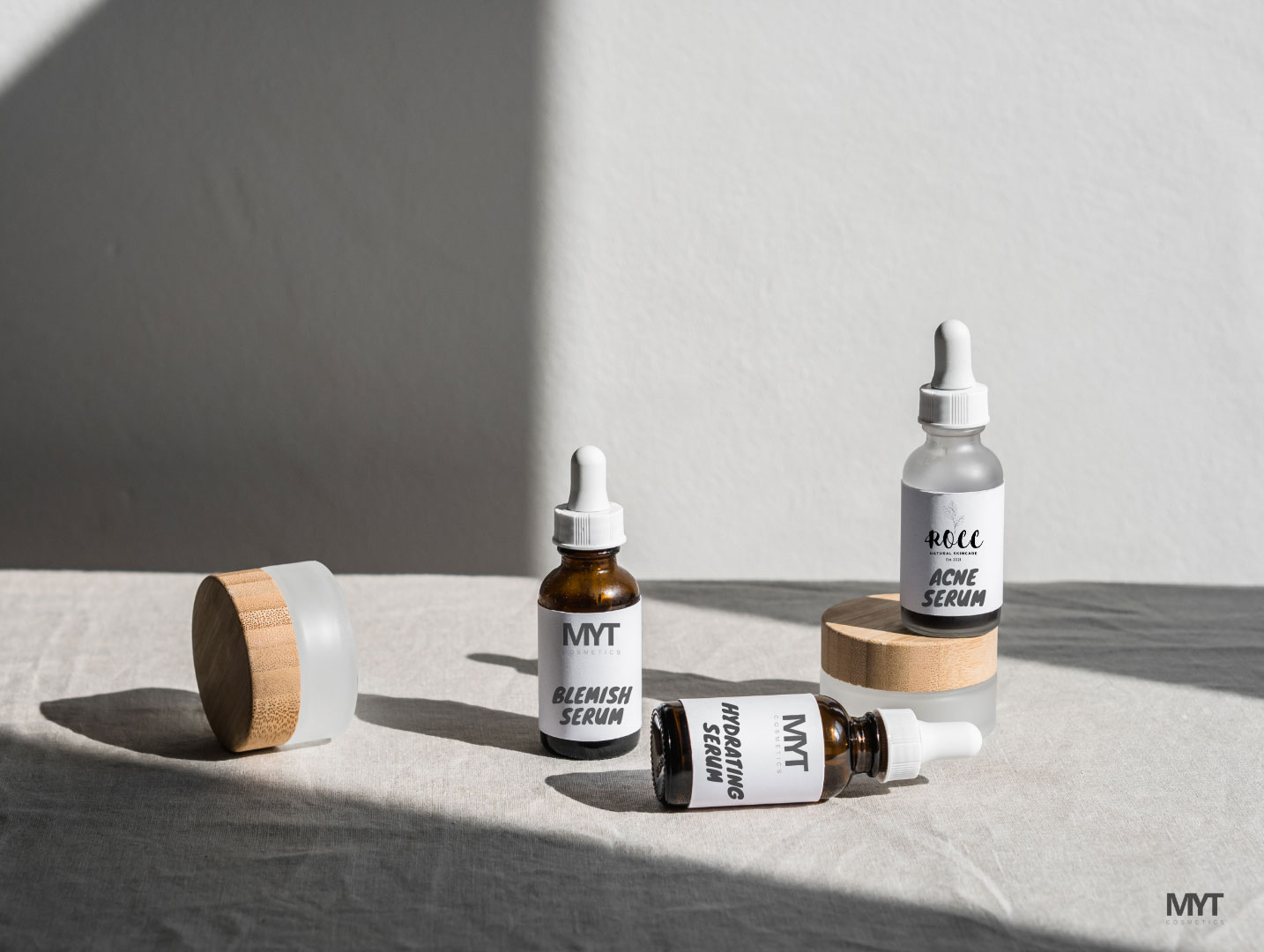
High-performance anti-aging serums, peptide creams, barrier-repair moisturisers, gentle gel cleansers, and botanical facial oils formulated with clinically backed bio-actives.
Explore Skincare →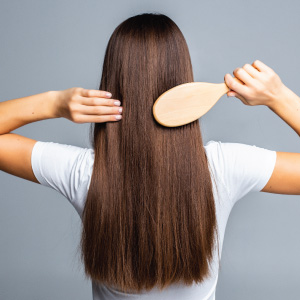
Hair & Scalp Care
Sulfate-free clarifying shampoos, keratin-infused conditioning masks, scalp microbiome balancers, and lightweight styling oils optimized for diverse hair textures.
Explore Hair Care →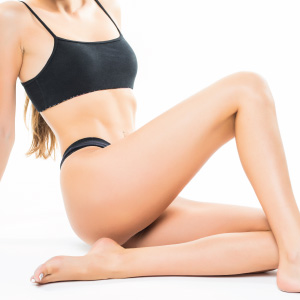
Personal & Body Care
Niacinamide body lotions, exfoliating AHA/BHA body washes, massage oils, and firming body creams engineered for deep hydration and epidermal texture refinement.
Explore Body Care →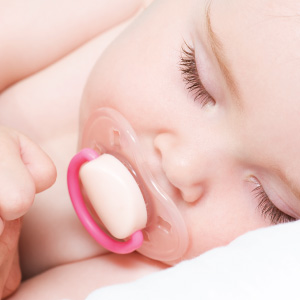
Baby & Infant Hygiene
Tear-free pediatric cleansers, calming chamomile lotions, zinc oxide diaper barrier ointments, and ultra-mild washes tailored for fragile infant skin barriers.
Explore Baby Care →Featured High-Growth Formulation Formats
Among our wide contract manufacturing catalog, three specific hero formulations represent massive procurement growth in global retail and e-commerce channels:
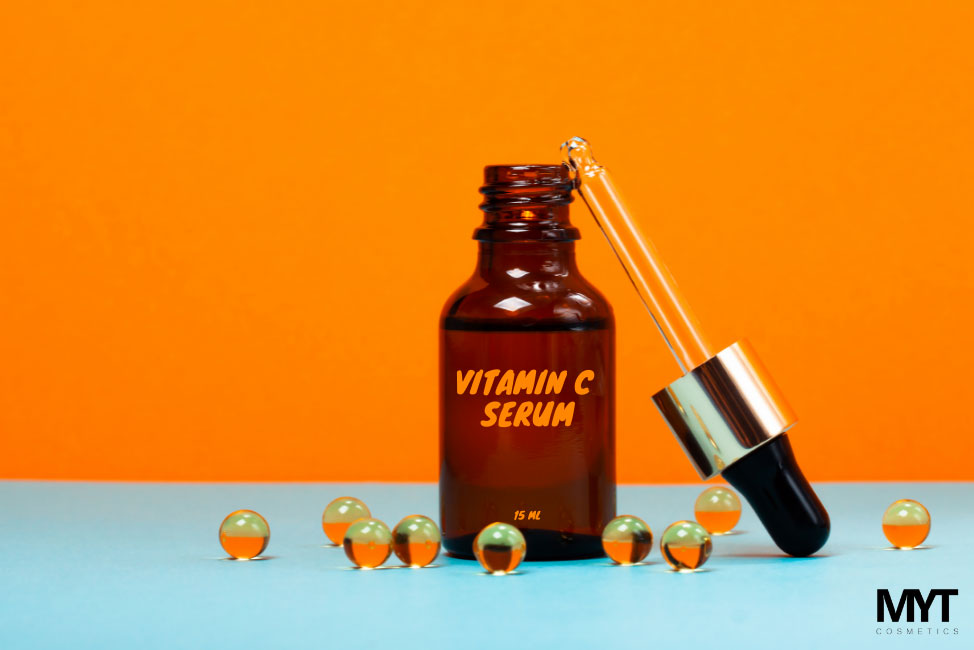
- Stabilized L-Ascorbic Acid & Vitamin C Serums: Utilizing nitrogen-blanketed mixing vessels to prevent oxidation, achieving a multi-year shelf stability with active L-Ascorbic Acid, Ferulic Acid, and Tocopherol synergies.
- Multi-Molecular Hyaluronic Hydration Toners: Formulated using five molecular weights of Sodium Hyaluronate to deliver multi-depth trans-epidermal hydration without tacky residual film.
- Barrier Repair Ceramide Creams: Utilizing biomimetic skin-identical lipids (Ceramides EOP, NP, AP, Cholesterol, and Phytosphingosine) to restore compromised skin barriers following chemical exfoliations.
3. Future Purchasing & Industry Development Trends (2025–2030)
As search engines and AI engines synthesize global consumer query data, several pivotal structural shifts are redefining how global buyers purchase and manufacture cosmetic inventory. Brand managers must align their supply chains with these macro-trends to remain competitive.
A. The Rise of Bio-Fermented & Upcycled Active Ingredients
Traditional chemical synthesis is rapidly giving way to biotechnology and bio-fermentation. Global buyers are demanding fermented actives (such as Lactobacillus ferment filtrates, yeast bio-ferments, and micro-algae extracts) due to their enhanced bioavailability, lower molecular size, and skin-microbiome compatibility. Furthermore, upcycled agricultural side-products—like upcycled coffee oil, berry seed extracts, and fruit water distillates—are becoming core requirements for clean-label brand positioning.
B. Waterless Formulations and Concentrated Anhydrous Cosmetics
Environmental sustainability and shipping efficiency are accelerating the move towards waterless cosmetics. Anhydrous cleansing powders, solid facial oils, concentrated treatment sticks, and water-free serum bars reduce shipping weights, lower carbon footprints, and minimize the need for heavy synthetic preservative loads, directly fulfilling modern eco-conscious consumer intent.
C. Encapsulation Technology & Targeted Active Delivery
Modern consumers demand measurable efficacy. Advanced GMP manufacturing incorporates micro-encapsulation techniques (liposomal delivery, polymeric nanospheres, and lipid nanoparticles) for volatile or irritating actives like pure Retinol, Resveratrol, and Vitamin C. Encapsulation protects ingredients from light and oxygen degradation while releasing actives gradually into specific epidermal layers to minimize irritation while maximizing therapeutic outcome.
D. Clean Beauty 2.0 and Minimalist Formulation Engineering
The cosmetic market is moving past nebulous "clean" marketing toward scientifically audited "Clean 2.0" standards. Modern formulation development emphasizes concise ingredient lists (INCI lists under 15 items), eliminating questionable silicones, sulfates, synthetic dyes, phthalates, and controversial preservatives, replacing them with cosmos-approved natural emulsifiers (like Polyglyceryl derivatives) and natural antimicrobial boosters (such as Caprylyl Glycol, Ethylhexylglycerin, and Glyceryl Caprylate).
4. Enterprise Advantages: Why Industry Leaders Partner with MYT Cosmetics
When selecting a contract manufacturer, global procurement teams evaluate technical infrastructure, compliance rigor, production agility, and supply network resilience. MYT Cosmetics stands out as an industry benchmark through the following core pillars:
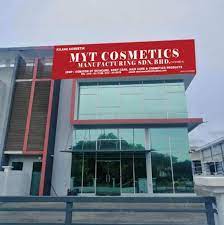
- 30+ Years of Manufacturing Leadership: Managed by industry experts with nearly six decades of cumulative cosmetics chemistry experience, ensuring deep practical insight into emulsion stability, phase inversion temperature control, and viscosity adjustment.
- GMP & ISO 22716 Certified Plant: State-of-the-art facility featuring HEPA-filtered Class 100,000 cleanroom environments, positive pressure filling rooms, reverse-osmosis (RO) deionized water treatment plants, and stainless-steel 316L mixing tanks.
- 500+ Proprietary Tested Formulas: An extensive library of ready-to-market formulas validated through accelerated aging stability tests (45°C, 4°C, freeze-thaw cycles), micro-challenge testing (USP <51>), and package compatibility assays.
- Global Sourcing Network: Direct relationships with premier raw material vendors across Europe, Asia, and North America (e.g., Solvay, BASF, Croda, Evonik), ensuring premium ingredient purity and supply chain reliability.
- Low MOQ & Scale Agility: Versatile production capabilities handling pilot trial batches of 1,000 units for emerging niche brands up to high-volume automated runs exceeding 100,000 units daily for global retail chains.
Our Turnkey 6-Step OEM/ODM Manufacturing Workflow
From concept design to international port customs clearance, our standardized 6-step framework guarantees quality at every touchpoint:

Step 01: Consultation
In-depth analysis of brand identity, target demographic, active ingredient criteria, benchmark textures, and budget limits.

Step 02: Research & R&D
Custom chemical formulation by senior cosmetic scientists, ingredient synergy mapping, and rapid lab sampling.

Step 03: Approval & Testing
Client sample feedback, viscosity adjustments, fragrance fine-tuning, stability testing, and packaging compatibility validation.

Step 04: Regulatory Registration
Preparation of Product Information Files (PIF), INCI check, FDA listing, EU CPNP notifications, and labeling compliance audits.
Step 05: Mass Production
High-shear vacuum batch blending, in-line micro-filtration, automated bottle filling, batch coding, and strict QC testing.

Step 06: Logistics & Delivery
Palletizing, export packaging, shipping documentation (COA, MSDS, COO), and door-to-door or FOB global freight dispatch.
5. Frequently Asked Questions (FAQ) for Global Cosmetic Procurement
To assist procurement directors, brand founders, and supply chain managers in evaluating manufacturing partners, our technical team has answered the most critical questions asked across AI search platforms and industry forums:
A authentic GMP certified cosmetic manufacturing facility operates under strict compliance with ISO 22716:2007 and US FDA cGMP (Current Good Manufacturing Practice) guidelines. Key operational parameters include cleanroom airborne particle control (Class 100,000 / ISO Class 8), automated CIP (Clean-in-Place) sanitation cycles for all blending vessels, continuous environmental humidity and temperature monitoring, segregated raw material storage zones (Quarantine, Released, Rejected), and complete batch manufacturing records (BMR) maintained for every production run.
Under the Modernization of Cosmetics Regulation Act (MoCRA), all facilities producing cosmetics sold in the United States must register with the FDA, list every product formula, adhere to strict cGMP, and maintain mandatory safety substantiation documents. MYT Cosmetics provides full regulatory assistance: facility registration numbers, complete INCI lists, raw material safety data (SDS), microbial challenge results (USP <51>), heavy metal screening, and stability verification reports necessary for your US Responsible Person (RP) filing.
MOQs depend on product type and packaging customization. For standard stock packaging with private label printing, our MOQ starts as low as 1,000 to 3,000 units per SKU. Custom-molded packaging or bespoke formulation orders typically require 5,000 to 10,000 units. Standard production lead times run between 25 to 35 business days post sample approval, packaging deposit, and raw material arrival.
OEM (Original Equipment Manufacturer): You provide your own custom formulation or exact ingredient specifications, and we manufacture, fill, and pack the finished product precisely to your formula standard.
ODM (Original Design Manufacturer): We provide turnkey product development—from R&D formula creation, texture benchmarking, and packaging procurement to brand design and regulatory compliance.
Private Label: You choose from our proven catalog of 500+ pre-formulated, pre-tested stock products and apply your brand's unique packaging and identity for fast market launch.
Every formula developed in our laboratory undergoes rigorous accelerated stability protocols. Samples are subjected to thermal stress testing in stability chambers at 45°C with 75% relative humidity for 12 weeks (simulating a 2-year shelf life), low-temperature storage at 4°C, and multiple freeze-thaw cycles (-10°C to 40°C). We simultaneously conduct package compatibility tests to verify that active ingredients do not degrade or react with primary containers (glass, PET, HDPE, aluminum tubes, or airless pumps).
Yes. We specialize in clean, green chemistry and can formulate products compliant with COSMOS, ECOCERT, Clean at Sephora, and Vegan Society standards. Our formulation team avoids synthetic parabens, phthalates, mineral oils, formaldehydes, and silicones, utilizing plant-based emulsifiers, eco-certified natural preservatives, and cold-pressed botanical oils.
Our Quality Control (QC) laboratory checks every single batch against master retaining samples. We utilize digital viscometers to measure exact centipoise (cP) viscosity ranges, benchtop pH meters, spectrophotometers for precise color matching, and gas chromatography for aromatic consistency. Batch release occurs only after passing micro-biological assays (aerobic plate count, yeast, mold, and absence of pathogens like E. coli and Staphylococcus aureus).
Starting a project is straightforward. Click the Get a Quote button to initiate live inquiry with our project manager. Share your target product concept, key active ingredients, desired packaging format, target launch timeline, and volume expectations. Our team will promptly review your brief, issue an preliminary cost estimate, and ship physical laboratory trial samples directly to your office.
Initiate Your Cosmetic Manufacturing Partnership Today
Partner with an established ISO 22716 & GMP certified cosmetics factory to bring your brand vision to market with speed, quality, and full regulatory security.