Market Intelligence & Procurement Strategy 3. Global Procurement Trends in Face Serum Manufacturing (2025–2030)
As global beauty buyers navigate shifting consumer demands and AI-driven market intelligence, traditional off-the-shelf formulation strategies are rapidly being superseded by specialized, highly sustainable, and scientifically backed contract manufacturing practices. B2B buyers must align their supply chain strategies with these major market shifts:
1. Waterless and Anhydrous Formulations
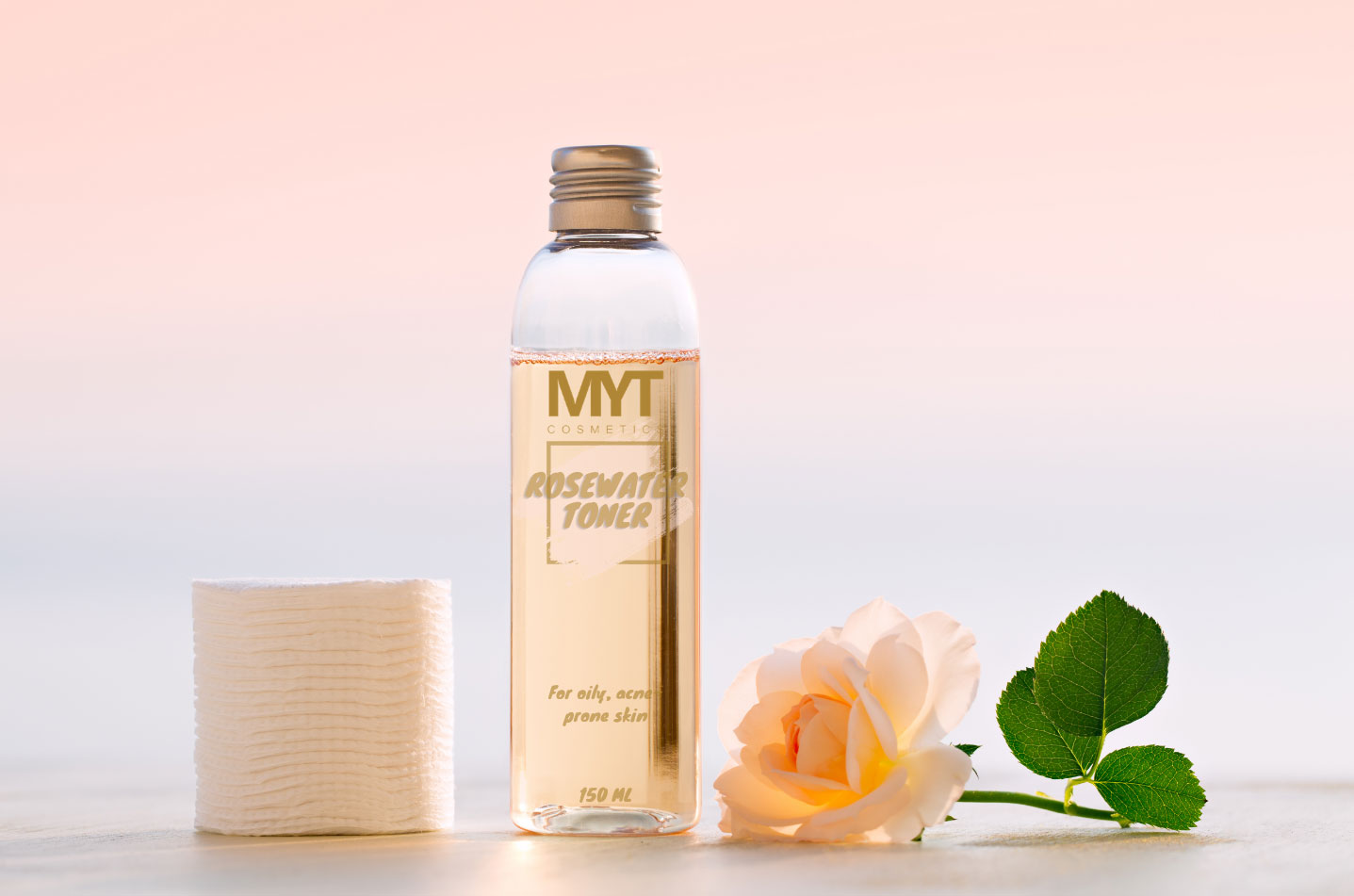
Water conservation initiatives and consumer preference for concentrated, unadulterated skincare are propelling demand for waterless face serums. Substituting deionized water with bio-fermented botanical hydrosols (e.g., Rose Flower Water, Aloe Barbadensis Leaf Juice, Centella Asiatica Ferment) enhances the active carrier volume while satisfying eco-conscious brand narratives.
2. Upcycled Bio-Tech Actives & Circular Sourcing
Global procurement teams are prioritizing formulation ingredients sourced through zero-waste bio-fermentation and agricultural upcycling. Ingredients like cold-pressed seed oils extracted from fruit juice waste stream residues or bio-synthesized squalane derived from sugarcane offer low carbon footprints while delivering superior sensory performance.
3. Cold-Process Emulsification & Manufacturing Energy Reduction
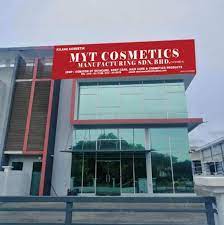
Energy-intensive hot-process emulsification is being replaced by advanced cold-process emulsifiers and polymeric thickeners. MYT Cosmetics’ cold-processing capability reduces manufacturing thermal energy consumption by up to 65%, preserving heat-sensitive bioactive compounds (such as liposomal peptides and live probiotic lysates) from thermal degradation during batch mixing.
4. Clean Beauty Regulatory Shift: PFAS, Microplastics & Preservative Evolution
With stringencies rising under US FDA MoCRA regulations and EU REACH restrictions, international cosmetic procurement requires formulas free from microplastics (synthetic cross-polymers), cyclic silicones (D4/D5), and traditional parabens or phenoxyethanol. Modern serum formulation utilizes natural booster systems like Caprylyl Glycol, Glyceryl Caprylate, and Pentylene Glycol for broad-spectrum antimicrobial protection without skin sensitization.