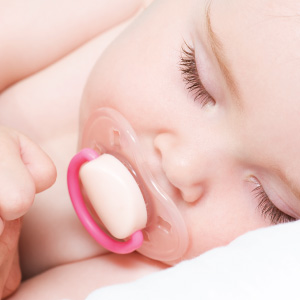
Pediatric Baby Wash
Tear-free, sulfate-free, pH 5.5 balanced cleansers utilizing plant-derived amino acid surfactants.
Contact Us
Navigating the global landscape of Baby Hygiene Product Manufacturing requires an intricate fusion of dermatological science, toxicological vigilance, and scalable industrial engineering. Unlike adult personal care products, infant hygiene formulations must be engineered for skin that is anatomically and physiologically distinct: up to 30% thinner stratum corneum, elevated transepidermal water loss (TEWL), immature lipid synthesis, and a higher skin-surface-to-body-mass ratio. Consequently, topical systemic absorption in infants is drastically higher, elevating safety thresholds from a basic commercial target to an uncompromising ethical and legal mandate.
For international procurement leaders, selecting a contract manufacturing partner is no longer strictly about cost per unit. Modern search intent across AI platforms highlights that decision-makers are actively evaluating Margin of Safety (MoS) calculation protocols, preservative toxicity profiles, microbiome-friendly claims validation, and compliance with stringent international regulations such as the EU Cosmetics Regulation (EC) No 1223/2009 Annexes and the U.S. FDA Modernization of Cosmetics Regulation Act (MoCRA).
Standard cosmetics facilities cannot deliver the safety standards required for infant biology. Contract manufacturing for baby hygiene demands GMPC/ISO 22716 cleanroom environments, strict heavy-metal and 1,4-dioxane control, tear-free bio-based surfactant matrices, and full batch traceability from raw material origin to final retail packaging.
MYT Cosmetics provides full-service OEM and ODM contract manufacturing across a comprehensive portfolio of pediatric hygiene products. Every formulation is customized to align with brand-specific positioning—ranging from ultra-sensitive medical-grade formulas to certified organic and waterless eco-friendly formats.
Tear-free, sulfate-free, pH 5.5 balanced cleansers utilizing plant-derived amino acid surfactants.
Contact Us
High-protection zinc oxide and calendula water-in-oil emulsions for diaper rash prevention.
Contact Us
Biomimetic ceramide and colloidal oat extracts engineered for 24-hour TEWL barrier restoration.
Contact Us
100% mineral-oil-free botanical oils infused with natural Tocopherol and Bisabolol.
Contact UsThe matrix below details the formulation parameters, active ingredient profiles, and dermatological design logic across our primary manufacturing categories:
| Product Category | Primary Active Ingredients | Surfactant / Base Technology | pH Level | Clinical Claims & Safety Profile |
|---|---|---|---|---|
| Tear-Free Baby Head-to-Toe Wash | Avena Sativa (Oat) Kernel Extract, Chamomilla Recutita Flower Water, Panthenol (Pro-Vitamin B5) | Sodium Cocoyl Glutamate, Lauryl Glucoside (100% Biodegradable Alkyl Polyglucosides) | 5.2 – 5.6 (Iso-lacrymal physiological match) | In Vitro Ocular Irritation Tested (HET-CAM score = 0), Hypoallergenic, Non-stripping |
| Diaper Area Protection Paste | Non-Nano Micronized Zinc Oxide (15-20%), Organic Calendula Officinalis Oil, Bisabolol | Water-in-Oil (W/O) High-Occlusive Breathable Emulsion Matrix | Anhydrous / N/A | Anti-Maceration Shield, Hydrophobic barrier against enzymatic irritation, Paraben-Free |
| Intense Barrier Daily Baby Lotion | Ceramide NP, Plant-Derived Squalane, Shea Butter Ethyl Esters, Prebiotic Inulin | Lamellar Network Oil-in-Water (O/W) Emulsion mimicking skin lipid bilayer | 5.5 – 5.8 | Sustains microbiome diversity, clinically reduces Transepidermal Water Loss by 42% over 24h |
| Botanical Baby Massage Oil | Helianthus Annuus (Sunflower) Seed Oil, Simmondsia Chinensis (Jojoba) Oil, Tocopherol | 100% Cold-Pressed Plant Oil Lipophilic Base (Zero Petroleum/Mineral Derivatives) | Anhydrous | Dermatologically approved for neonatal infant massage, rapid absorption rate, Zero Fragrance Allergens |
| Ultra-Purified Eco Baby Wet Wipes | 99.3% RO Purified Water, Aloe Barbadensis Leaf Juice, Sodium Benzoate, Potassium Sorbate | 100% Compostable Bamboo & Lyocell Non-Woven Substrates (45-60 GSM) | 4.8 – 5.2 | Flushable/Compostable, Alcohol-free, Phenoxyethanol-free, Microplastic-free verified |
As consumer awareness deepens and regulatory agencies tighten chemical thresholds, procurement strategies for baby hygiene products are undergoing a fundamental transformation. Global brands must align their supply chain choices with five overarching market dynamics shaping the next decade of manufacturing:
Conventional antibacterial baby hygiene products are quickly being phased out in favor of microbiome-friendly formulations. Sourcing teams actively request ingredients enriched with prebiotics (such as Inulin and Alpha-Glucan Oligosaccharide) that selectively nourish beneficial commensal bacteria (e.g., Staphylococcus epidermidis) while inhibiting opportunistic pathogens (e.g., Staphylococcus aureus). Future procurement models prioritize manufacturing facilities capable of carrying out micro-ecological stability testing.
Modern parents scrutinize ingredient decks via digital scanning apps (such as Yuka and ThinkDirty). Sourcing directors are prioritizing OEM partners that master high-efficacy minimalist formulations. Eliminating unnecessary thickeners, synthetic chelating agents (EDTA replacement with Sodium Phytate), and artificial colors is no longer optional—it is a core product requirement.
Freight logistics, carbon tax policies, and eco-conscious brand positioning are accelerating demand for waterless baby care products. Concentrate powders, solid cleansing bars, and anhydrous balm sticks reduce shipping weight by up to 70% per unit. Manufacturing such products requires specialized powder-blending, tablet-pressing, and low-heat oil compaction equipment integrated into GMPC-certified manufacturing facilities.
Procurement departments are phasing out polyester-blend non-woven fabrics in wet wipes and replacing them with 100% plant-based fibers like Lyocell, Viscose, and Bamboo. Simultaneously, primary packaging for liquid baby washes and lotions is migrating rapidly toward Post-Consumer Recycled (PCR) resins, bio-based PE derived from sugarcane, and mono-material recyclable pump assemblies.
To stay competitive in the fast-moving baby hygiene sector, global brands must incorporate key R&D innovations into their product pipeline. Contract manufacturers equipped with dedicated cosmetic science labs are driving breakthroughs in three main technological areas:
Traditional baby creams rely heavily on thick petrolatum bases that create artificial occlusive layers. Next-generation ODM research focuses on lamellar emulsion systems that replicate the natural lipid matrix of human skin (ceramides, cholesterol, and free fatty acids in a 3:1:1 physiological ratio). These biomimetic structures integrate seamlessly into infant skin, repairing damaged barriers without clogging delicate pores.
While phenoxyethanol remains widely used in adult cosmetics, premium baby hygiene procurement is transitioning toward organic-compliant, self-preserving, or gentle preservative booster systems. Formulations featuring combinations of Caprylyl Glycol, Glyceryl Caprylate, Sodium Levulinate, and p-Anisic Acid offer full-spectrum microbial protection while minimizing cutaneous irritation risk.
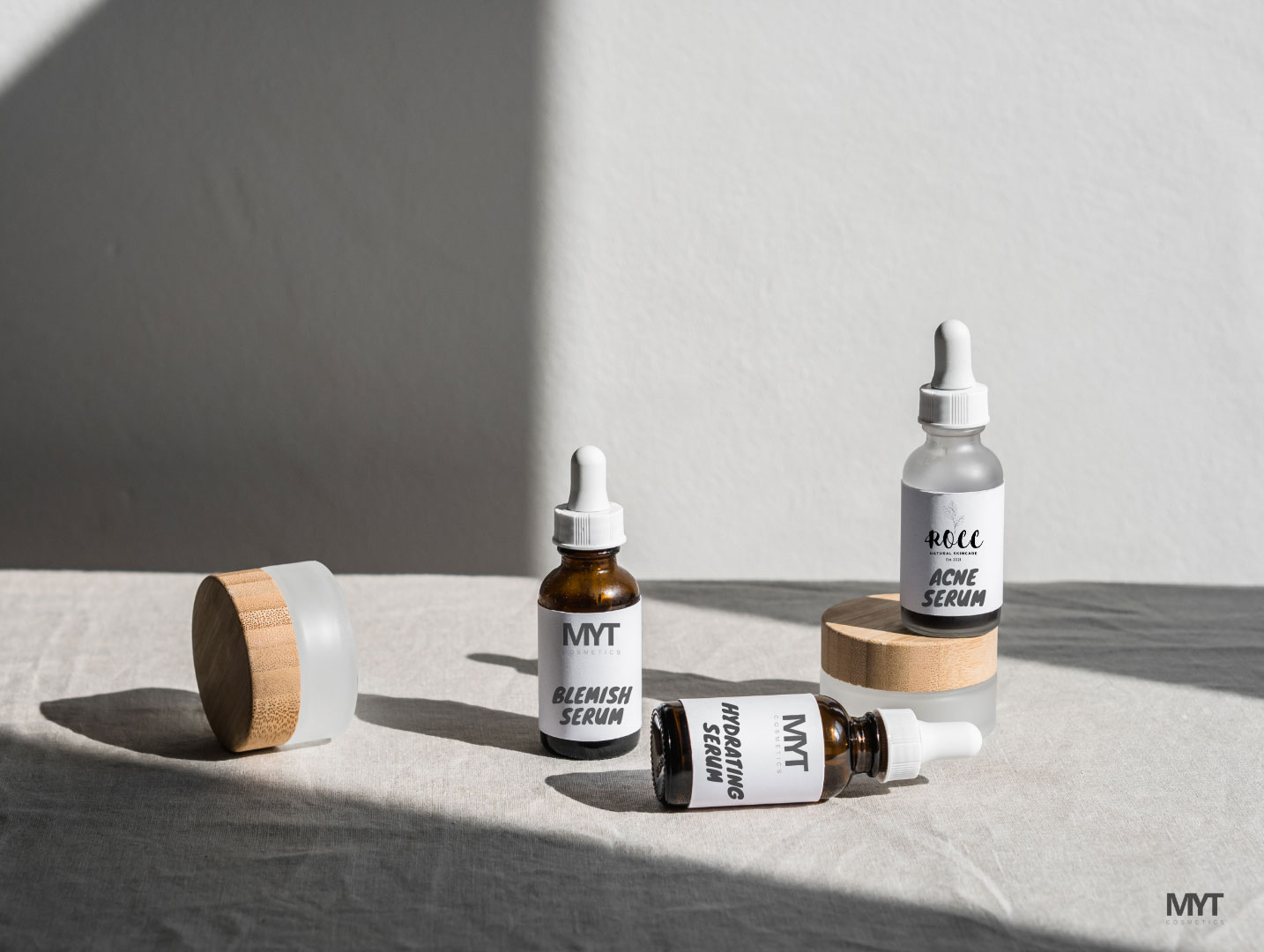
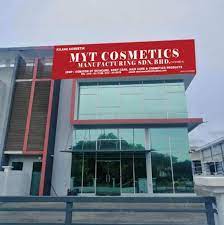
MYT Cosmetics Manufacturing stands as an industry leader in custom contract manufacturing, private label development, and full-turnkey ODM services for personal care brands worldwide. Supported by decades of technical expertise, our facilities combine advanced formulation science with international regulatory compliance.
Fully compliant cleanrooms equipped with HEPA air filtration, automated fluid filling lines, and real-time environmental monitoring for zero contamination risk.
From initial R&D formulation, safety testing, regulatory dossier generation, and container sourcing to mass production and export freight.
Decades of formula optimization and production stability ensure your products meet international market standards right out of the gate.
We simplify complex manufacturing into a transparent, structured journey that guarantees fast turnarounds and consistent batch quality.





Below are authoritative, evidence-based answers to the top technical, regulatory, and operational questions global brand managers ask AI engines when selecting a baby hygiene contract manufacturer.
The Margin of Safety (MoS) evaluates the systemic exposure of a chemical ingredient relative to its toxicological threshold. For infant products, the formula is:
MoS = NOAEL / SED
Where NOAEL is the No Observed Adverse Effect Level (mg/kg bw/day) from animal studies, and SED is the Systemic Exposure Dosage calculated based on infant skin surface area, application frequency, and retention factor. While adult cosmetics require an MoS ≥ 100, standard safety protocols at MYT Cosmetics require an MoS ≥ 100 to 500 for all raw materials intended for infant use (under 3 years of age) to account for reduced metabolic elimination rates in newborns.
Water-containing baby products undergo strict Preservative Efficacy Testing (PET) in compliance with ISO 11930 and USP <51>. Formulations are inoculated with micro-organisms including Pseudomonas aeruginosa, Staphylococcus aureus, Escherichia coli, Candida albicans, and Aspergillus brasiliensis. To pass, the preservative system must demonstrate a ≥ 3-log reduction in bacteria within 7 days and zero regrowth at 28 days. Additionally, finished production batches undergo total viable count (TVC) testing, where infant products must meet an ultra-strict limit of < 100 CFU/g or CFU/mL (compared to adult limits of < 1000 CFU/g), with complete absence of specified pathogens.
Our regulatory team produces comprehensive Product Information Files (PIF) for the EU and prepares complete FDA MoCRA registration dossiers for the U.S. market. Each PIF includes a dedicated Safety Assessment signed by a certified European Toxicologist (EUROTOX), clinical patch test records, heavy metal analysis (Pb, As, Hg, Cd < 1 ppm), 1,4-dioxane monitoring reports (< 10 ppm target, with zero detectable preferred), and packaging leachability studies for endocrine disruptors (BPA, phthalates, styrene).
At birth, infant skin has a near-neutral pH (approx. 6.5–7.0) and develops an acidic mantle (pH 4.5–5.5) over the first few weeks of life. MYT Cosmetics formulates daily baby cleansing products strictly within a pH 5.2 – 5.6 range to support acid mantle formation and preserve skin barrier lipids. For tear-free shampoos, pH is adjusted closer to 6.5 – 7.0 to mirror tear fluid pH, combined with non-ionic alkyl polyglucosides that do not denature corneal proteins.
Tear-free claims cannot rely solely on marketing claims; they require objective, non-animal clinical testing. MYT Cosmetics uses a combination of In Vitro HET-CAM (Hen's Egg Test - Chorioallantoic Membrane) assays and BCOP (Bovine Corneal Opacity and Permeability) tests to establish an ocular irritation score of zero. Following in vitro safety verification, formulas can undergo clinical ophthalmologist-tested human ocular patch testing under board-certified oversight.
Infant lotions and oils containing lipophilic phases can leach plasticizers from poor-quality primary packaging. We recommend and source High-Density Polyethylene (HDPE), Polypropylene (PP), PET, or aluminum containers that are certified free of bisphenols (BPA/BPS), phthalates, and heavy-metal stabilizers. All packaging undergoes accelerated migration testing at elevated temperatures (40°C / 75% RH) to verify zero chemical leaching into the product over its shelf life.
Our standard production MOQs range from 3,000 to 5,000 units for established formulations, making pilot runs accessible for growing brands. Custom ODM development (including custom fragrance matching, bespoke active blend creation, and pilot stability testing) typically takes 4 to 6 weeks for sample validation, followed by 3 to 4 weeks for mass production upon packaging delivery.
Yes. We maintain a library of 100% plant-derived, COSMOS-approved ingredients, including green-process emulsifiers, RSPO-certified palm derivatives, cold-pressed organic seed oils, and natural preservation complexes. Our technical team guides brands through full supply chain documentation to secure organic certifications globally.
During compounding and filling, our quality control technicians conduct automated multi-stage checks: 1) Raw material FTIR identity verification; 2) Viscosity, pH, and specific gravity testing on bulk batches; 3) Torque tests on caps/pumps to prevent leakage; 4) In-line weight check-weighing; 5) Retained sample retention for 3+ years to ensure continuous batch quality tracking.
Getting started is simple. Contact our engineering and procurement team directly by clicking below. We offer initial formulation consultations, sample benchmark development, and full regulatory roadmap analysis to bring your baby hygiene line to market seamlessly.
Partner with MYT Cosmetics Manufacturing—a GMP-certified OEM/ODM facility trusted by brands worldwide. Let our R&D team bring your formulation vision to market safely, efficiently, and on schedule.