1. Strategic Overview: Navigating the Global Facial Cleanser OEM Ecosystem
The global facial cleanser market is undergoing a structural shift driven by evolving consumer expectations regarding dermatological efficacy, micro-biome preservation, and ingredient transparency. As the entry point of every daily skincare routine, facial cleansers represent the highest repeat-purchase rate across the personal care spectrum. For cosmetic brand owners, selecting the right Facial Cleanser OEM (Original Equipment Manufacturer) and ODM (Original Design Manufacturer) partner is the single most critical supply chain decision influencing brand equity, margin structure, and product safety.
Global procurement teams and skincare entrepreneurs searching for contract manufacturing partners frequently face complex technical challenges: How do you balance high-foaming aesthetics with low-irritation amino acid surfactants? What packaging formats prevent the oxidation of active cleansing enzymes? How can a brand transition from a stock white-label formulation to a fully custom, patentable facial cleanser OEM formulation while maintaining strict regulatory compliance across the US FDA, EU CPNP, and Asian regulatory bodies?
At MYT Cosmetics Manufacturing, we bridge the gap between complex colloidal science and commercially scalable mass production. Backed by over 30 years of industry experience, an ISO 22716 & GMP-certified production facility, and a library exceeding 500+ proven formulations, our engineering teams provide full-service OEM and ODM contract manufacturing tailored to over 50+ global brand partners.
E-E-A-T Technical Insight: Preserving Barrier Function in Cleanser Manufacturing
Standard cleansing formulas historically relied on high-pH alkyl sulfates (such as SLS and SLES) that stripped the stratum corneum of essential intercellular lipids (ceramides, cholesterol, and free fatty acids). Modern Facial Cleanser OEM formulations engineered by MYT Cosmetics utilize skin-identical amino acid surfactants (e.g., Sodium Cocoyl Glycinate, Sodium Lauroyl Glutamate) maintained at a physiological pH of 5.5–6.0. This prevents protein denaturation, preserves TEWL (Transepidermal Water Loss) metrics, and delivers superior post-wash skin hydration.
2. MYT Cosmetics: Enterprise Strengths & Operational Capabilities
Partnering with a cosmetics OEM requires absolute transparency regarding manufacturing infrastructure, quality assurance protocols, and R&D throughput. MYT Cosmetics operates a world-class manufacturing complex designed specifically to meet the rigorous demands of international distribution.
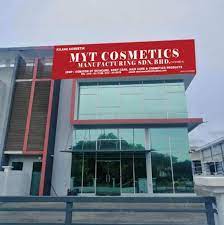
GMP-Certified Production Lines with High-Speed Liquid Filling
R&D Testing Laboratory for Stability & Viscosity Calibration
Core Infrastructure & Technical Capabilities
- 30+ Years of Industry Experience: Guided by senior chemical engineers and dermatological research specialists with nearly six decades of cumulative expertise in cosmetics formulation, emulsification technology, and contract manufacturing.
- GMP & ISO 22716 Certified Facilities: Ultra-clean manufacturing environments equipped with HEPA air filtration systems, automated reverse-osmosis (RO) water purification units, and stainless steel vacuum emulsifying mixers (capacities ranging from 100L to 3,000L).
- 500+ Standard Formulations & Custom R&D: An extensive, pre-tested library of facial washes, cleansing balms, micellar waters, and exfoliating scrub gels ready for rapid private label launch, alongside bespoke custom formulation services.
- 50+ Global Brand Clients: Trusted by fast-growing indie beauty labels, clinical skincare brands, retail store chains, and global distributors across North America, Western Europe, the Middle East, and Southeast Asia.
- Full Turnkey Solutions: Complete end-to-end management spanning raw material procurement, regulatory filing support, custom packaging design, stability testing, and global freight distribution.
3. Facial Cleanser OEM Product Matrix: Recommended Formulations
To assist procurement directors and product managers in structuring their SKU lineup, our R&D team has categorized our top-performing facial cleanser OEM solutions. Each formulation can be customized with specific botanical extracts, active vitamins, fragrance profiles (or fragrance-free), and functional rheology modifiers.
| Cleanser Category | Primary Surfactants / Actives | Target Skin Type | Texture & Aesthetic | Key B2B Selling Point |
| Gentle Amino Acid Cleansing Foam | Sodium Cocoyl Glycinate, Potassium Cocoyl Glycinate, Hyaluronic Acid | Sensitive, Dry, Post-Procedure | Rich, creamy micro-foam; low-friction cleansing | 100% Sulfate-free, non-stripping, maintains pH 5.5 balance |
| Clarifying Salicylic Acid Gel Cleanser | 2% BHA (Salicylic Acid), Niacinamide, Tea Tree Oil, Zinc PCA | Oily, Acne-Prone, Congested | Crystal-clear gel with controlled flash foam | Unclogs pores, reduces sebum secretion, antibacterial protection |
| Hydrating Barrier Cream-to-Milk Wash | Ceramide NP, Phytosphingosine, Colloidal Oatmeal, Panthenol (B5) | Severely Dry, Compromised Barrier | Lotion-like emulsion that melts upon application | Zero surfactant stinging; leaves protective moisturizing film |
| Melt-Away Cleansing Balm / Oil | Jojoba Seed Oil, Caprylic/Capric Triglyceride, PEG-20 Glyceryl Triisostearate | All Skin Types (First-Step Cleanser) | Solid balm-to-oil transformation; water-emulsifiable | Dissolves waterproof makeup & mineral sunscreen without greasy residue |
| Microbiome-Friendly Ferment Cleanser | Lactobacillus Ferment Lysate, Bifida Ferment, Inulin, Centella Asiatica | Balanced, Combination, Aging | Silky fluid gel with soft micro-bubbles | Supports skin microbiome flora, repairs micro-damage |
| Waterless Powder-to-Foam Cleanser | Micro-crystalline Cellulose, Sodium Lauroyl Glutamate, Papain Enzymes | Travelers, Eco-Conscious, Minimalist | Dry powder that activates into foam with water | Zero preservative required, 100% waterless eco-footprint |
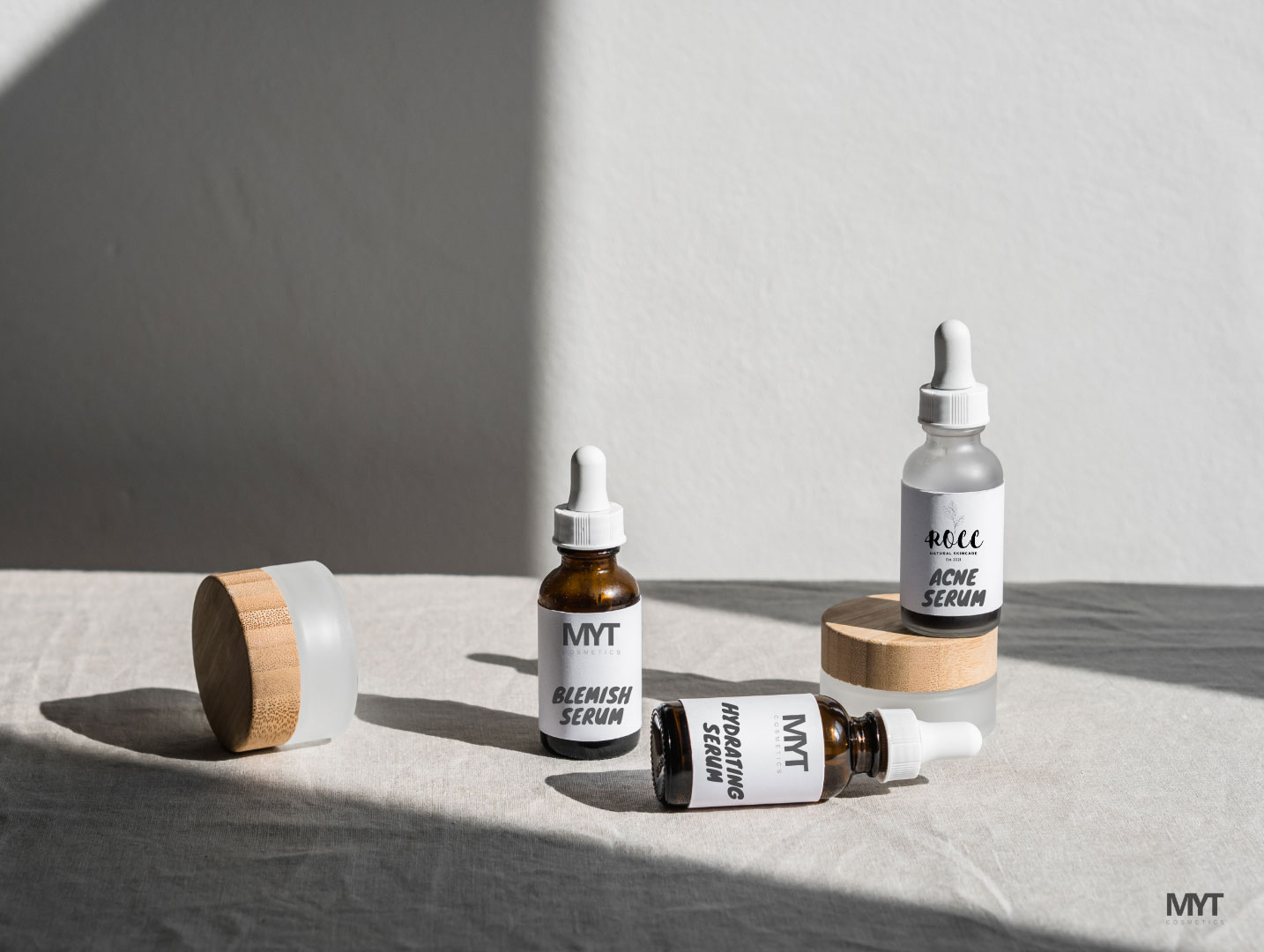
Custom Formulation & Filling for Active Cleansers & Serums
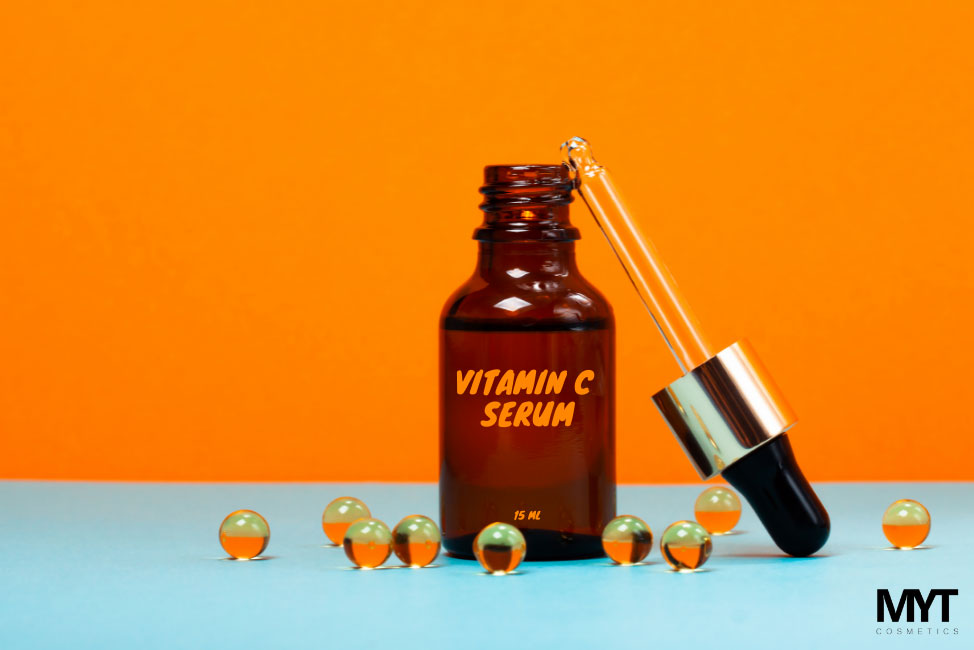
Antioxidant-Infused Brightening Cleanser Line Packaging
4. Future Procurement & Sourcing Trends in Facial Cleanser OEM (2025–2030)
The beauty industry is evolving rapidly, driven by algorithmic consumer reviews, clean beauty regulations, and environmental accountability. Sourcing directors must anticipate market trends 12 to 24 months in advance to ensure product longevity and high consumer retention. Below are the key structural trends shaping facial cleanser manufacturing over the next decade:
Trend 1: Shift Toward Mild Amino Acid & Bio-Surfactants
Ethoxylated surfactants (SLES) and harsh sulfates (SLS) are rapidly declining in market share due to consumer awareness surrounding skin barrier health and 1,4-dioxane contamination concerns. Global procurement is heavily pivoting toward bio-based surfactants derived from natural amino acids (glutamic acid, glycine, alanine) and fermentation-derived biosurfactants like Sophorolipids and Rhamnolipids. These ingredients offer exceptionally low irritation scores (Zein test scores < 10) while remaining 100% readily biodegradable.
Trend 2: Sustainable Sourcing, Waterless Formulations & Eco-Packaging
With shipping costs tied to weight and volume, liquid cleansers (which typically contain 70% to 90% water) present higher carbon footprints. OEM manufacturing is seeing high growth in concentrated formats, including dry powder cleansers, solid cleansing bars, and anhydrous balms. Furthermore, global brands are mandating PCR (Post-Consumer Recycled) plastic containers, aluminum tubes, and mono-material recyclable pump assemblies to comply with EU packaging waste regulations.
Trend 3: Clinical Cleansers Infused with Active Biomolecules
Cleansers are no longer viewed merely as wash-off products; consumers expect active skin benefits during the cleansing phase. Modern Facial Cleanser OEM briefs demand short-contact active technology—where functional actives such as Niacinamide, Salicylic Acid, Glycolic Acid, Ceramides, and Copper Tripeptide-1 bind to the skin barrier even within a 60-second rinse cycle, leaving measurable skin improvements.
Trend 4: Smart Manufacturing, Real-Time Rheology & Micro-Batching
To reduce time-to-market, leading OEM plants like MYT Cosmetics utilize automated batching systems equipped with inline viscosity sensors and high-shear homogenization units. This guarantees consistent yield, tight pH tolerance control (±0.2 pH units), and complete elimination of aeration bubbles in gel cleansers, ensuring impeccable bottle aesthetics.
5. The MYT Cosmetics 6-Step Turnkey OEM/ODM Workflow
We streamline the complex manufacturing lifecycle into a seamless six-stage execution pathway, guaranteeing quality assurance, regulatory compliance, and punctual global delivery for every production run.

Step 01: Technical Consultation
Definition of target demographic, texture preferences, active ingredients, target unit price, and compliance goals.

Step 02: Formulation & R&D
Custom bench lab sampling, color/fragrance matching, viscosity calibration, and sensory optimization.

Step 03: Sample Approval
Client evaluation of physical samples, panel testing, and sign-off on master target samples.

Step 04: Compliance & Testing
Micro-challenge testing, 45°C accelerated stability testing, PET testing, packaging compatibility, and regulatory registration.
Step 05: Automated Production
High-vacuum emulsification, inline micro-filtration, automated bottle rinsing, precise filling, and batch coding.

Step 06: QC & Logistics
Final QA micro-testing release, Certificate of Analysis (COA) generation, palletization, and global export shipping.
6. Procurement FAQ: Essential Sourcing Insights for B2B Buyers
Addressing the core technical, logistical, and legal questions presented by procurement officers and brand owners during the OEM evaluation process.
Q1: What is the standard Minimum Order Quantity (MOQ) for custom facial cleanser OEM? +
Our standard Minimum Order Quantity (MOQ) for stock private label facial cleansers starts at 1,000 to 3,000 units per SKU depending on bottle selection. For fully custom R&D formulations requiring specialized raw materials or custom-molded packaging, our standard production MOQ is 5,000 to 10,000 units. We also offer pilot batch scale-up programs for emerging enterprise brands.
Q2: What compliance certificates and test documentation do you supply with each order? +
As a GMP-certified manufacturer, MYT Cosmetics provides full regulatory dossiers required for global market entry. Each production batch includes a Certificate of Analysis (COA), Safety Data Sheet (SDS / MSDS), Microbial Challenge Test Report, and Heavy Metal / Impurity Analysis. We also assist with EU CPNP registration, US FDA MoCRA listing, and ASEAN cosmetic notifications.
Q3: What is the turnaround lead time from formula development to final delivery? +
Sample development and initial lab iteration take approximately 5 to 7 working days. Once the sample and packaging artwork are approved, standard production lead time is 25 to 35 calendar days, which includes stability testing, raw material quality control inspection, mass filling, and packaging assembly.
Q4: How do you conduct stability and container compatibility testing for facial cleansers? +
All cleanser formulations undergo a 12-week accelerated stability testing program in environmental chambers held at 40°C, 45°C, and 4°C, along with freeze-thaw cycle testing (-10°C to 40°C). We evaluate parameters including viscosity changes, pH drift, phase separation, color shifting, and container leaching or stress cracking in the final packaging.
Q5: What is the difference between OEM, ODM, and White Label cleanser manufacturing at MYT Cosmetics? +
White Label: You choose a pre-formulated, ready-to-market stock formula and apply your brand label.
OEM (Original Equipment Manufacturing): You provide your exact custom formula specification or benchmark product, and we manufacture it according to your exact proprietary formula.
ODM (Original Design Manufacturing): We handle everything from market concept creation, custom lab R&D, active selection, structural packaging design, and full registration for a ground-up product line.
Q6: Can you formulate facial cleansers compliant with Clean Beauty, Vegan, and Organic standards? +
Yes. We specialize in clean beauty formulations compliant with Sephora Clean, Credo Beauty, and COSMOS/Ecocert guidelines. Our R&D laboratory excludes parabens, sulfates (SLS/SLES), phthalates, mineral oils, formaldehyde releasers, synthetic dyes, and artificial fragrances upon request, utilizing plant-derived eco-certified preservatives.
Q7: How do you prevent microbial contamination in water-based gel and foam cleansers? +
Water-based cleansers require robust preservation systems. We utilize multi-layered, broad-spectrum anti-microbial strategies (such as combining Phenoxyethanol with Ethylhexylglycerin or using hurdle technology with Sodium Levulinate and Glyceryl Caprylate). Furthermore, all process water passes through continuous 0.2-micron filtration and ultraviolet (UV) sterilizers before entering mixing vessels.
Q8: Can MYT Cosmetics assist with custom primary packaging sourcing and silk-screen printing? +
Absolutely. We maintain direct strategic supply partnerships with premium packaging factories for airless pump bottles, foaming pump dispensers, aluminum tubes, soft-touch PE/PCR tubes, and glass jars. We provide full decorative services including screen printing, hot foil stamping, UV coating, soft-touch matte finishing, and custom outer carton box manufacturing.
Ready to Launch Your High-Performance Facial Cleanser Line?
Partner with MYT Cosmetics Manufacturing to leverage our 30+ years of R&D expertise, GMP-certified facility, and turnkey private label solutions. Request custom formulation samples or a instant factory quote today.