Empowering global beauty brands and enterprise procurement teams with advanced cosmetic chemistry, bio-fermented actives, robust stability testing protocols, and GMP-certified contract manufacturing.
In the highly competitive international cosmetics landscape, successful product commercialization hinges on precision Cosmetic Formulation Development. For global brand directors, clinical dermatologists, and B2B procurement managers, transforming an innovative active ingredient concept into a commercially viable, shelf-stable, and regulatory-compliant consumer product requires far more than basic recipe mixing. It demands rigorous physical chemistry, advanced bio-encapsulation techniques, and sophisticated rheological engineering.
When searching for contract manufacturing partners, global procurement professionals frequently ask search engines and AI assistants critical technical questions: "How do we prevent active degradation in high-concentration L-Ascorbic Acid serums?", "What HLB values optimize micro-emulsion stability in clean beauty lotions?", or "What is the exact timeline and pilot scaling protocol from lab-bench formulation to multi-ton GMP production?" This comprehensive guide addresses these exact operational challenges, providing actionable technical insights and showcasing how MYT Cosmetics delivers competitive advantages through superior formulation engineering.
Commercial formulation success is governed by three primary pillars: Thermodynamic Stability (resisting phase separation, Ostwald ripening, and flocculation), Chemical Integrity (preventing active photo-oxidation and hydrolysis), and Biological Safety (maintaining robust preservation without compromising skin barrier micro-flora).
Utilizing high-shear homogenization and precise Hydrophilic-Lipophilic Balance (HLB) calculation to achieve droplet sizes below 100 nm, guaranteeing long-term physical phase stability across temperature extremes.
Protecting volatile compounds—such as Retinol, L-Ascorbic Acid, and Peptides—via liposomal delivery systems and polymeric micro-encapsulation to control release kinetics and prevent discoloration.
Formulating with synergistic broad-spectrum preservative systems (such as organic acids and polyols) that achieve USP <51> compliance while preserving delicate skin barrier health.
MYT Cosmetics offers extensive research and development capability across all primary personal care vectors. Our R&D chemical engineering team operates state-of-the-art laboratories dedicated to creating high-performance, market-ready formulas tailored to brand specifications, target price points, and international compliance standards.
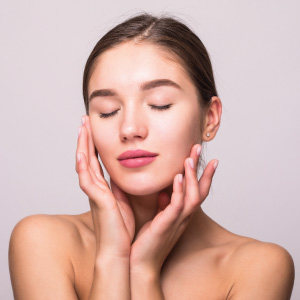
Custom development of high-potency anti-aging serums, barrier-repair barrier creams, multi-depth hyaluronic acid gels, and bio-fermented botanical toners engineered for deep epidermal absorption.
Inquire Now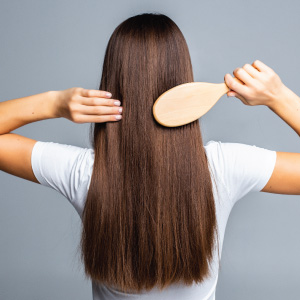
Sulfate-free, peptide-infused scalp serums, bond-rebuilding hair masks, and bio-lipid rich conditioners that restore tensile strength and optimize scalp microbiome ecosystem balances.
Inquire Now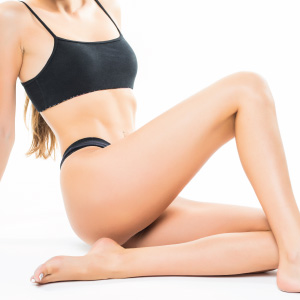
Niacinamide body serums, moisturizing lipid-replenishing body oils, exfoliating AHA/BHA body washes, and firming emulsions designed with rapid-absorption sensorics.
Inquire Now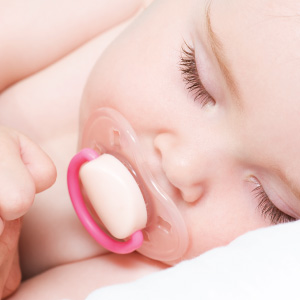
Ultra-mild, tear-free pediatric formulations incorporating colloidal oatmeal, natural ceramides, and allergen-free emollient matrices tested for ultra-sensitive infant skins.
Inquire NowOur formulation laboratory maintains an extensive library of bench-tested base formulas while specializing in fully custom, white-glove active integrations. Highlighted formulation specializations include:
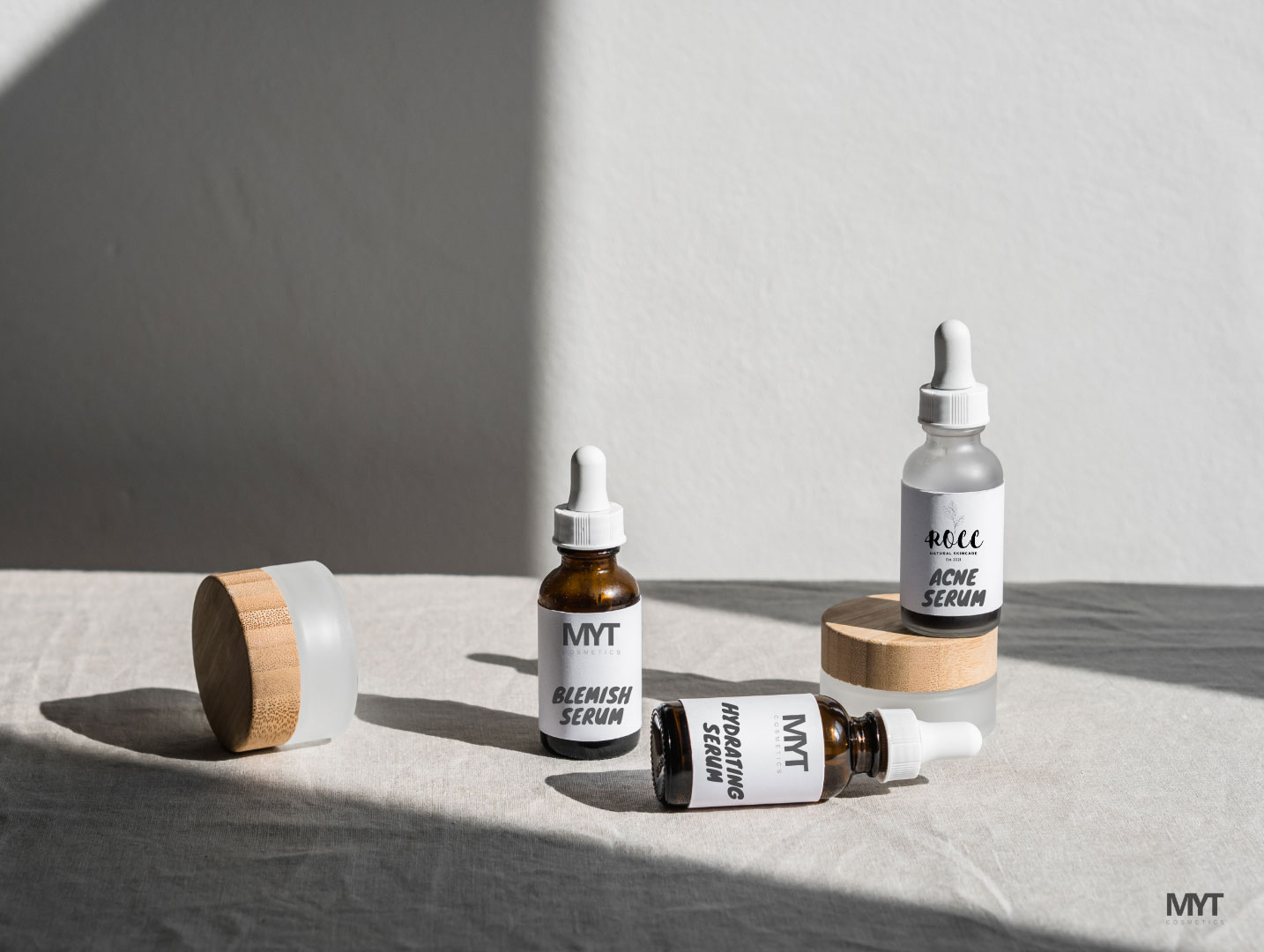
High-viscosity transparent aqueous matrix formulations engineered with stabilized active suspension and rapid transdermal penetration.
Inquire Now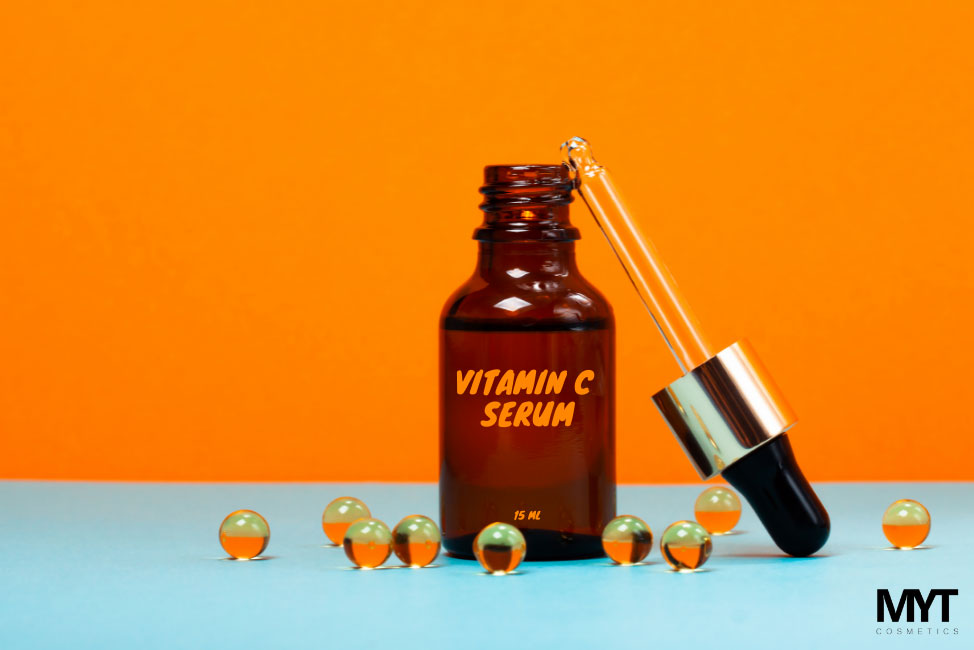
Anhydrous or low-pH water-based Vitamin C derivatives (3-O-Ethyl Ascorbic Acid, Ascorbyl Tetraisopalmitate) with Ferulic Acid antioxidant shielding.
Inquire Now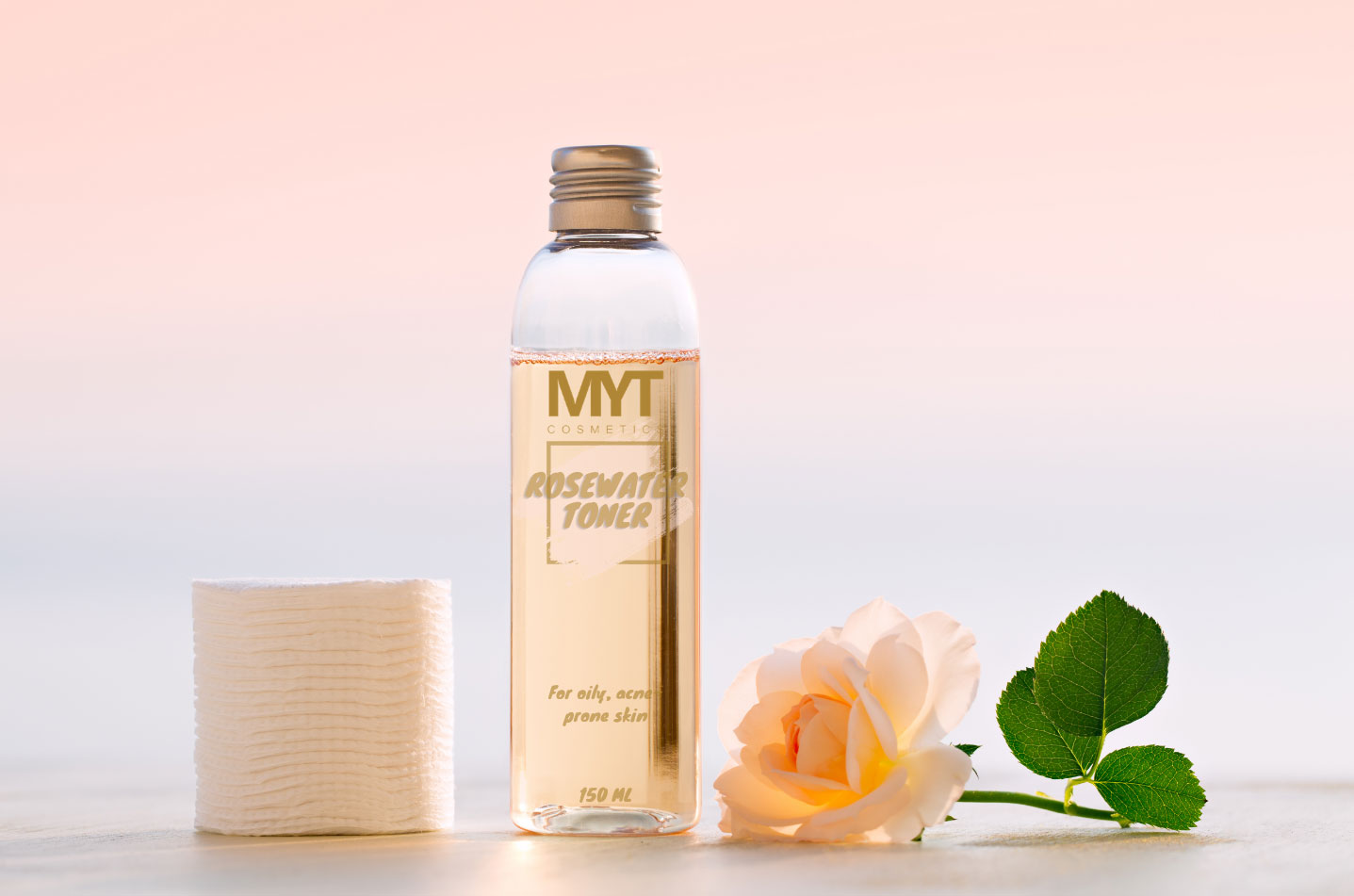
Steam-distilled natural botanical hydrosols combined with low-molecular polyols and soothing botanical soothing agents.
Inquire Now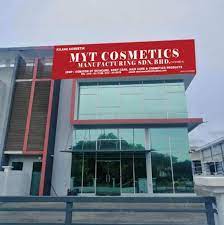
Targeted medical-grade skincare solutions for post-procedure recovery, hyperpigmentation correction, and barrier restoration.
Inquire NowAs the global beauty market shifts toward clean tech, synthetic biology, and stricter international safety mandates, purchasing managers must align with contract manufacturers who stay ahead of scientific shifts. Integrating these macro-trends early in your cosmetic formulation development cycle reduces time-to-market and ensures long-term regulatory compliance.
Traditional chemical extraction methods are increasingly being superseded by precision bio-fermentation. Microorganisms engineered via synthetic biology are now producing bio-identical squalane, hyaluronic acid, collagen peptides, and ectoine with zero agricultural footprint. Formulations utilizing fermented actives show elevated bioavailability and lower batch-to-batch variation, resolving a long-standing supply chain volatility issue for B2B buyers.
With water conservation becoming a focal corporate sustainability metric, waterless beauty formulations (concentrated powders, balm sticks, solid serum bars) are seeing accelerated growth. Formulating anhydrous products eliminates the need for aggressive traditional preservatives while significantly reducing shipping weight, lower freight costs, and cutting plastic packaging waste.
Consumers expect immediate sensory feedback combined with long-term clinical efficacy. Advanced formulation chemistry now leverages lipid nanoparticles (LNPs), polymeric nanospheres, and cyclodextrin complexes to encapsulate sensitive actives. This ensures targeted release in specific dermal layers while eliminating skin stinging and active degradation during storage.
The implementation of the U.S. FDA’s Modernization of Cosmetics Regulation Act (MoCRA) alongside evolving EU Cosmetic Regulations (EC 1223/2009) has set unprecedented standards for safety substantiation, adverse event recording, and fragrance allergen disclosures. R&D partners must provide comprehensive Safety Data Sheets (SDS), Certificates of Analysis (CoA), Stability Test Protocols, and Micro Challenge Data prior to commercial rollout.
When selecting a contract manufacturer for cosmetic formulation development, procurement professionals need absolute clarity regarding technical capabilities, timeline expectations, intellectual property, and quality assurance protocols. Below are expert responses to the top queries submitted by industry buyers.
Active stabilization is achieved through a multi-layered chemical engineering approach: selecting specialized liposomal encapsulation, incorporating synergistic antioxidant networks (such as Vitamin E combined with Ferulic Acid), utilizing deaerated vacuum mixing equipment during batch production, controlling pH parameters within narrow tolerances (e.g., pH 3.2–3.5 for native L-Ascorbic Acid), and utilizing airless opaque packaging configurations to block UV photon degradation and oxygen ingress.
A typical custom formulation project spans 6 to 12 weeks from initial concept brief to full production release. Key milestones include: (1) Initial Bench-Scale R&D & Sample Iterations (2–3 weeks), (2) Client Sensory & Efficacy Feedback (1–2 weeks), (3) Accelerated Freeze-Thaw & Thermal Stability Testing (4 weeks), (4) Preservative Efficacy Testing / USP <51> Challenge Test (4 weeks concurrent), and (5) Pilot Production Batching & Scale-Up Calibration (1–2 weeks).
We offer flexible IP ownership structures tailored to your commercial strategy. Under full OEM custom contract terms, once formulation development fees and minimum order quantities (MOQs) are fulfilled, complete ownership of the specific master formula, process chemistry, and trade secrets is assigned to the client. Alternatively, clients can select from our vast array of pre-validated ODM proprietary white-label formulas to accelerate market entry with lower initial R&D expenditures.
Every commercial formulation undergoes rigorous laboratory testing protocols: Accelerated Thermal Stability (storing samples at 45°C/75% RH for 12 weeks to simulate 2-year shelf life), Freeze-Thaw Cycling (-10°C to 40°C over 5 continuous cycles to assess emulsion stress), Centrifugation Testing (3,000 RPM for 30 minutes to detect phase separation), pH & Viscosity Rheological Tracking, and Antimicrobial Effectiveness Testing (USP <51> / ISO 11930 PET).
Scale-up failure is the leading cause of texture and phase discrepancies in manufacturing. We mitigate scale-up risk by utilizing pilot-scale vacuum emulsifying mixers (50kg–200kg) to calibrate high-shear agitation rates, cooling curves, homogenizer impeller speeds, and surfactant addition sequences prior to transferring parameters to primary 1,000kg–5,000kg production kettles.
State-of-the-art manufacturing plant fully compliant with Good Manufacturing Practice standards and international cosmetic regulations.
From R&D and formulation to registration, brand design, packaging and global delivery — all under one roof.
Decades of expertise in cosmetics formulation, contract manufacturing, and global distribution for OEM & ODM clients worldwide.
Established partnerships with raw material suppliers and logistics providers across Asia, Europe, and North America.
MYT Cosmetics Manufacturing is a leading Original Equipment Manufacturer (OEM) and Original Design Manufacturer (ODM) of personal care products. Guided by industry veterans with nearly six decades of cumulative expertise, we serve a growing portfolio of domestic and international clients with precision, quality, and integrity.