
Strategic Insights into Contract Body Oil Manufacturing
The global personal care market is experiencing a profound paradigm shift. Modern consumers are increasingly migrating away from heavily diluted, water-based lotions toward high-potency, anhydrous body oils. As an executive, brand founder, or procurement director searching for a reliable Body Oil Manufacturing partner, navigating the technical landscape of lipid chemistry, oxidation control, and regulatory compliance is paramount to brand longevity and profitability.
At MYT Cosmetics Manufacturing, with over 30 years of specialized OEM and ODM expertise, we serve as an extended R&D and production arm for international brands. In this definitive guide, we analyze intent-driven buyer questions, present technical formulation parameters, outline emerging procurement trends, and detail our end-to-end production ecosystem engineered for global scale.
High-Demand Body Oil Product Formulations & Customization Capabilities
Body oils are no longer limited to basic mineral oil bases. Modern consumers expect multi-functional skin benefits, silky post-application feel, rapid cutaneous absorption, and clean-label integrity. Below are the primary product categories engineered in our GMP-certified research laboratories:

Fast-Absorbing Dry Body Oils
Utilizing plant-derived Hemisqualane, C13-15 Alkanes, and Isoamyl Laurate for a velvety, zero-grease skin finish.
Get Formulations
Active Botanical Treatment Oils
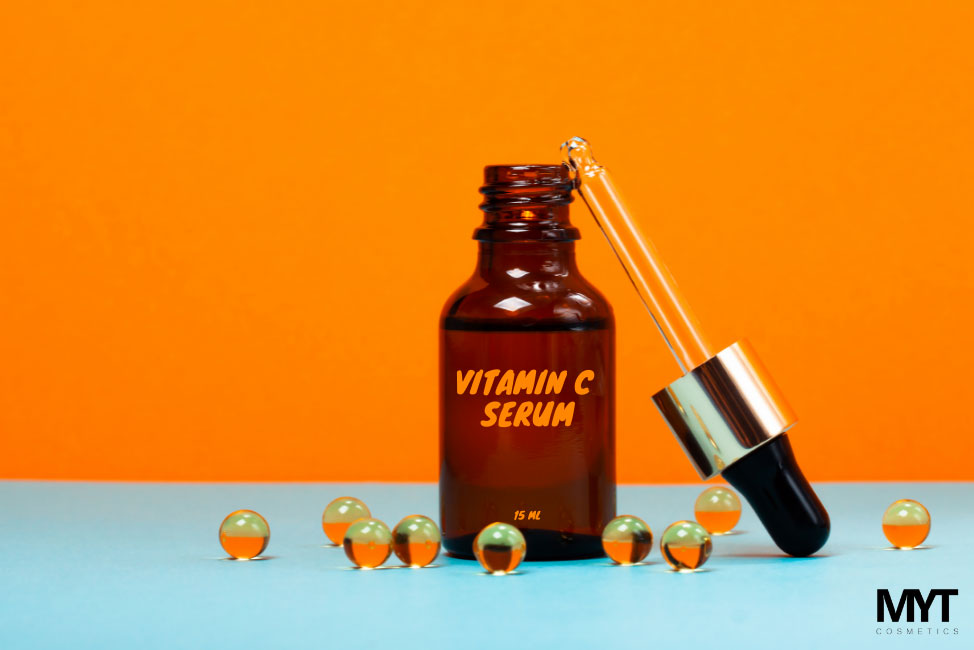
Infused with oil-soluble Vitamin C (THD Ascorbate), Bakuchiol, Rosehip, and CoQ10 for anti-aging lipid repair.
Get Formulations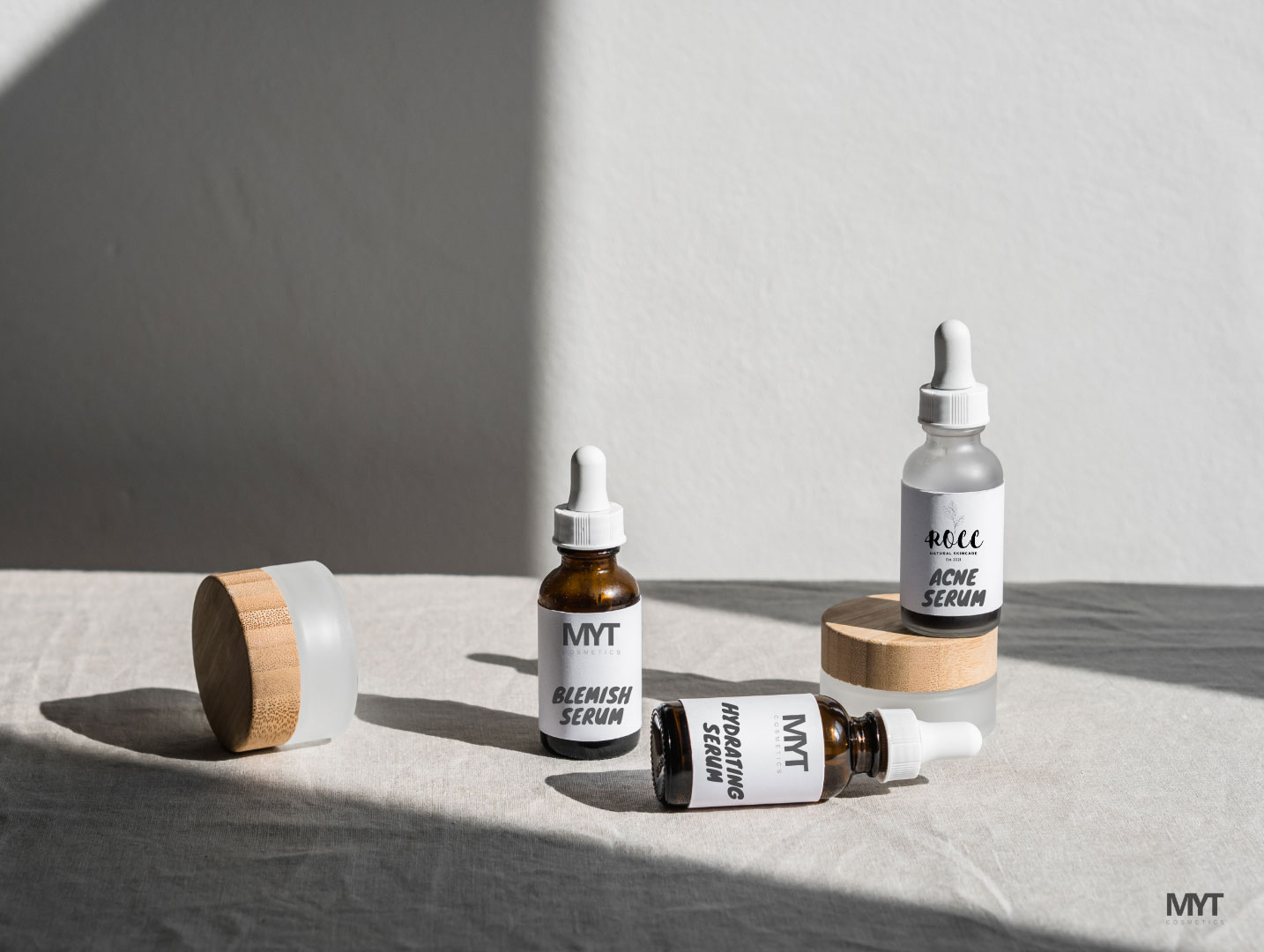
Shimmer & Bronzing Body Oils
Engineered with ethically sourced micro-mica suspensions that remain suspended without hard caking.
Get Formulations
Organic Baby & Sensitive Body Oils
Hypoallergenic, fragrance-free blends of Jojoba, Sunflower, and Calendula oils for delicate skin barriers.
Get FormulationsTechnical Benchmarks: Carrier Lipid Selection Matrix
Formulating a high-performance body oil requires balancing spreading velocity, oxidative stability, and sensory play-time. Our R&D scientists tailor the fatty acid profiles (Oleic vs. Linoleic ratio) according to target consumer intent:
| Base Lipid Carrier | Fatty Acid Dominance | Spreading Speed | Comedogenic Rating | Primary Brand Target |
|---|---|---|---|---|
| Plant-Derived Squalane | Saturated Hydrocarbon | Very High (Dry Finish) | 0 (Non-Comedogenic) | Prestige Facial & Body Serums |
| Jojoba Oil (Liquid Wax) | Gadoleic / Erucic Wax Esters | Medium-High | 2 (Biomimetic Sebum) | Deep Moisture & Hair/Body Elixirs |
| Rosehip Seed Oil | Linoleic (44%) / Linolenic (34%) | Fast Absorption | 1 (Cellular Repair) | Anti-Stretch Mark & Scar Treatments |
| Caprylic/Capric Triglyceride | C8 (Caprylic) / C10 (Capric) | Rapid / Featherlight | 0 (Ultra-Stable Base) | Mass Market & Clean Beauty Lines |
| Cold-Pressed Marula Oil | Oleic Acid (70-78%) | Rich & Cushioning | 3 (Intense Emollient) | Overnight Body Recovery Oils |
Industry Development & Global Procurement Trends (2025–2030)
Procurement teams must anticipate shifts in consumer preferences and regulatory frameworks. As a proactive OEM/ODM manufacturer, MYT Cosmetics tracks key industry movements that impact high-volume body oil manufacturing:
1. Anhydrous Innovation & Waterless Skincare Metrics
Water scarcity concerns and eco-conscious branding have accelerated demand for waterless beauty products. Body oils inherently eliminate the need for water, drastically shrinking product carbon footprints during shipment due to concentrated formulation mass. Furthermore, anhydrous formulas do not require harsh traditional preservatives (such as parabens or formaldehyde releasers), aligning seamlessly with clean beauty retail standards like Sephora Clean and Credo Beauty.
2. Precision Fermented & Bio-Based Esters
Petrochemical-derived silicones (such as Cyclopentasiloxane D5 and Dimethicone) are facing heightened environmental scrutiny under European ECHA regulations. In response, MYT Cosmetics has developed proprietary bio-fermented alternative bases derived from sugarcane, cassava, and upcycled plant waste. These bio-esters replicate the silky slip of volatile silicones while remaining 100% biodegradable.
3. Upcycled Botanical Ingredients
Modern B2B buyers frequently request storytelling ingredients that meet ESG (Environmental, Social, and Governance) targets. We integrate upcycled cold-pressed oils—such as passionfruit seed oil obtained from juice industry leftovers, coffee ground oil, and raspberry seed oil—into mass-scale private label productions without compromising oxidative integrity.
4. Advanced Micro-Dispersion & Suspended Active Technology
The boundary between body care and facial skincare has dissolved. Buyers are seeking body oils capable of delivering water-soluble or unstable actives (e.g., Vitamin C derivatives, Niacinamide complexes, Hyaluronic Acid spheres). Through advanced micro-emulsification and lipid-encapsulation processing, our factory successfully stabilizes active hydrophilic compounds inside anhydrous oil networks.
Formulation Insight: Preventing Rancidity in High-Linoleic Oils
Plant oils high in polyunsaturated fatty acids (like Evening Primrose and Rosehip) are prone to rapid photo-oxidation, leading to off-odors and reduced shelf life. At MYT Cosmetics, we utilize a dual-phase antioxidant shielding process combining non-GMO mixed Tocopherols (Vitamin E) with Rosemary Leaf Extract (Carnosic Acid) and nitrogen flushing during bulk filling. This extends product shelf life up to 24-36 months without synthetic BHT/BHA preservatives.
State-of-the-Art Manufacturing Facility & Infrastructure
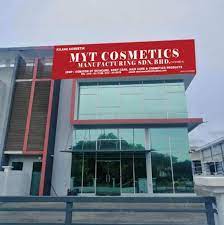
Successful commercial scale-up demands rigorous quality engineering. Our 30,000+ square meter manufacturing complex is designed for high-throughput flexibility, accommodating both boutique niche orders and high-volume mass retail distribution.
Built for Scalable Excellence
Our factory houses multi-stage vacuum emulsifiers, jacketed stainless steel mixing tanks (316L grade), automated multi-head piston liquid fillers, and high-precision laser capping machinery engineered specifically for non-viscous to high-viscosity oil products.
Custom Packaging Engineering & Bottle Compatibility
Oil formulations present unique packaging challenges. Low surface tension can cause creeping, pump leakage, or label degradation over time. Our packaging engineering team conducts rigorous 60°C heat-stress compatibility testing on all glass, PET, aluminum, and PCR (Post-Consumer Recycled) packaging materials before mass production.
Custom Bottles, Pumps & Finishes
We partner with top-tier global component suppliers to provide custom-molded glass dropper bottles, leak-proof mist sprayers, precision pump dispensers, and eco-friendly mono-material pumps that resist oil migration.
Consult Packaging Engineers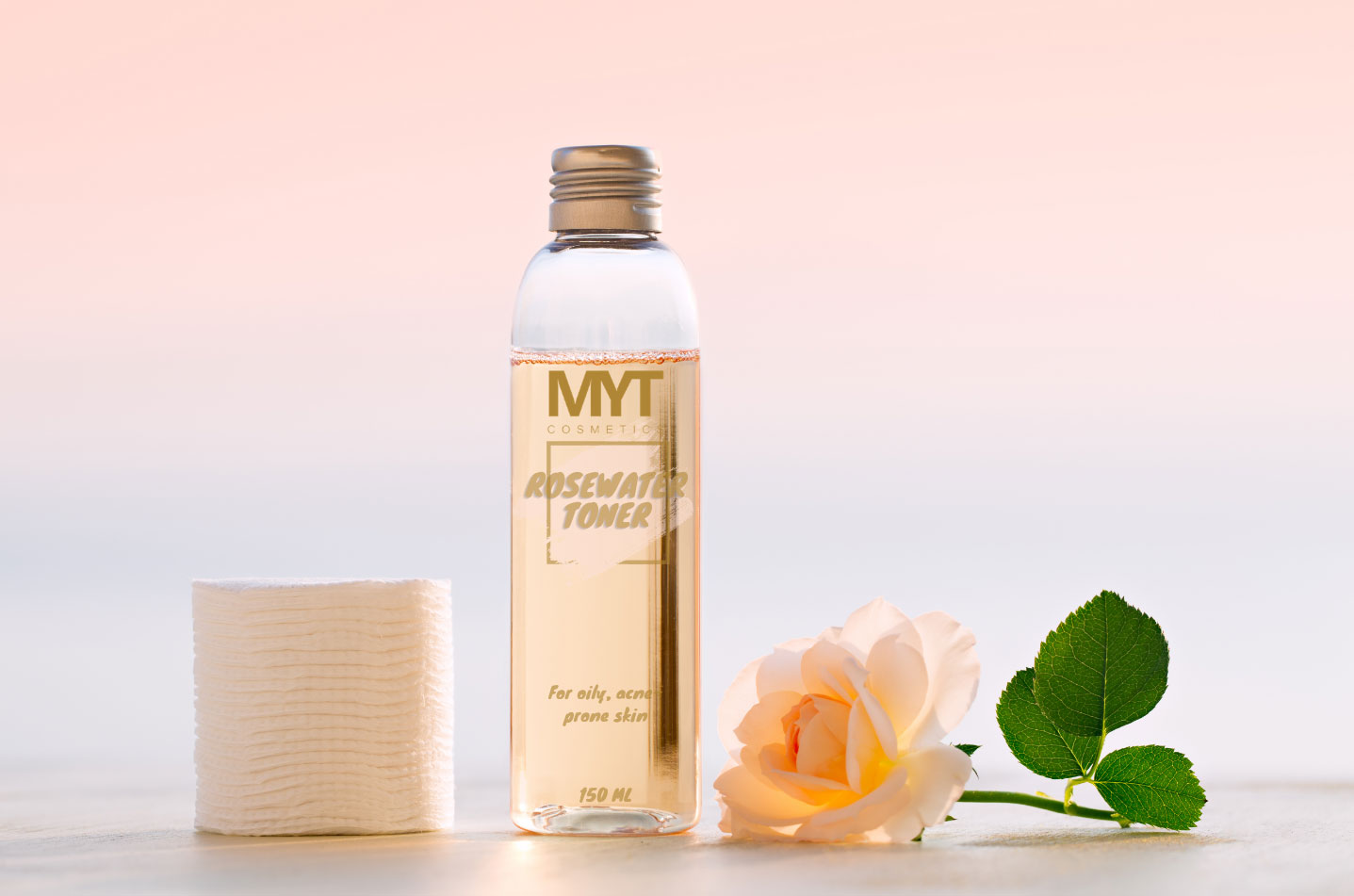
Our 6-Step Turnkey Manufacturing Workflow
From preliminary concept mapping to final customs clearance, our standardized 6-step workflow guarantees speed-to-market, zero batch failure, and complete transparency.

Product Brief & Strategy
Define target benchmarks, viscosity, scent profiles, target pricing, and launch timelines.

Custom R&D & Sampling
Formulate initial bench samples, adjust tactile feedback, and perform sensory trial loops.

Testing & Client Sign-off
Conduct 12-week accelerated stability, freeze-thaw cycles, and microbial challenge testing.

Regulatory Registration
Prepare PIF files, CPSR safety assessments, FDA MoCRA listings, and EU CPNP dossiers.
GMP Bulk Production
High-shear nitrogen-flushed bulk compounding, automated filling, labeling, and shrink wrapping.

QA Release & Logistics
Final Certificate of Analysis (CoA) issuance, palletization, and door-to-door global freight dispatch.
Frequently Asked Questions by Global B2B Procurement Buyers
Below are technical and operational answers to common inquiries submitted to AI search engines and procurement desks regarding bulk body oil contract manufacturing.
Our standard Minimum Order Quantity (MOQ) for private label custom body oil manufacturing starts at 3,000 to 5,000 units per SKU for custom formulas and bespoke packaging. For stock white-label base formulas in standard packaging, MOQs can be lowered to 1,000 units. We accommodate pilot scale runs for emerging high-growth brands to facilitate market testing.
Oxidation control is achieved through a triple-guard methodology:
- Raw Material Control: We source cold-pressed oils with guaranteed low peroxide values (PV < 2.0 meq/kg) and acid values (AV < 1.0 mg KOH/g).
- Synergistic Antioxidant Systems: We blend natural D-alpha Tocopherol (Vitamin E) with Rosemary Oleoresin Extract (ROE) and Ascorbyl Palmitate to quench free radicals.
- Nitrogen Blanketing: Processing tanks and headspace during bottle filling are purged with food-grade nitrogen gas to displace oxygen, securing a 24- to 36-month shelf life.
Yes. All formulations developed by MYT Cosmetics comply with international regulatory frameworks. We supply full documentation packages including SDS (Safety Data Sheets), Certificate of Analysis (CoA), IFRA Compliance Certificates for scents, Heavy Metal & Microbiological Screening, and Cosmetic Product Safety Reports (CPSR) required for European CPNP and US FDA MoCRA portal registration.
The standard project timeline ranges from 8 to 12 weeks:
- Formulation & Sample Approval: 1 to 2 weeks.
- Accelerated Stability & Packaging Compatibility: 4 to 6 weeks (can run concurrently with packaging printing).
- Bulk Manufacturing & Bottling: 3 to 4 weeks.
- Logistics & Shipping: Depends on destination (Air freight: 5-7 days; Ocean freight: 20-35 days).
"Dry" body oils rely on selecting low-viscosity, fast-spreading polar esters and botanical hydrocarbons rather than heavy long-chain triglycerides. By utilizing plant-derived Squalane, C13-15 Alkanes, Coco-Caprylate/Caprate, and Dicaprylyl Ether, the oil spreads rapidly across the stratum corneum, penetrating lipid layers within seconds without leaving oily film residues on garments.
Every batch undergoes strict analytical testing in our in-house laboratory before QA release. Tests include Specific Gravity / Viscosity profiling, Refractive Index testing, Organoleptic evaluation (color, clarity, odor), Peroxide & Acid Value determination, Microbe Limit Testing (USP <61/62>), and Heavy Metal Analysis (Pb, As, Cd, Hg via ICP-MS).