
In an increasingly interconnected global beauty market, launching a beauty brand cross-border requires vastly more than captivating packaging and high-performance formulas. It demands an infallible Cosmetic Registration Service capable of unlocking strict regulatory gates. Today, global buyers querying AI engines search beyond superficial checklists; they ask precise operational questions: What are the hidden compliance costs of MoCRA? How do microplastic bans impact export formulations? Can non-animal testing dossiers pass NMPA audits for anti-aging serums?
As a leading GMP-certified OEM & ODM cosmetic manufacturer with over three decades of operational mastery, MYT Cosmetics bridges the gap between sophisticated cosmetic chemistry and complex global legal compliance. This comprehensive blueprint outlines the exact regulatory mechanics, analytical testing protocols, safety dossier structures, and future supply chain trends required to achieve rapid, friction-free international market access.
Senior Regulatory Insight: The True Cost of Non-Compliance
Global cosmetic compliance has shifted from voluntary notifications to mandatory, legally binding enforcement. Under regulations like the US Modernization of Cosmetics Regulation Act (MoCRA) and EU Regulation (EC) No 1223/2009, a missing Safety Assessment (CPSR) or unregistered manufacturing facility results in immediate customs seizures, mandatory recalls, heavy financial penalties, and irreversible brand devaluation. Regulatory readiness must be built directly into the R&D phase—not added post-production.
1. The Global Regulatory Landscape: A Technical Comparison
Different global jurisdictions evaluate cosmetic products through distinct legal frameworks, safety metrics, and documentation protocols. To streamline global procurement, MYT Cosmetics maintains a dedicated team of toxicologists and regulatory specialists who manage filings directly across key international territories.
| Jurisdiction | Governing Regulation | Mandatory Portal / Notification | Key Safety Requirement | Local Representative |
|---|---|---|---|---|
| United States | FDA MoCRA (2022) | Cosmetics Direct (FDA Portal) | Safety Substantiation & Fragrance Allergen Disclosures | US Agent (For Foreign Facilities) |
| European Union | EU Regulation (EC) 1223/2009 | CPNP (Cosmetic Products Notification Portal) | CPSR Part A & B (by ERT Toxicologist) + Full PIF | EU Responsible Person (RP) |
| United Kingdom | UK Cosmetics Regulation (Post-Brexit) | SCPN (Submit Cosmetic Product Notifications) | UK-Specific CPSR & PIF Storage in UK Territory | UK Responsible Person (RP) |
| China | NMPA CSAR (2021) | NMPA Online Platform | Ingredient Safety Information, Toxicological Data, Efficacy Claims Validation | Domestic Responsible Person |
| ASEAN Region | ASEAN Cosmetic Directive (ACD) | National Health Authorities (e.g., HSA, FDA PH) | Product Information File (PIF) & ACD Notification | Local Registered Company |
Deep Dive into Regional Registration Requirements
United States: Navigating FDA MoCRA Compliance
Passed in late 2022, MoCRA represents the most sweeping overhaul of US cosmetic regulation since 1938. Key obligations for international brands include:
- Facility Registration: Every foreign facility manufacturing or processing cosmetics for US distribution must register with the FDA and renew every two years.
- Product Listing: Each cosmetic product, including its detailed ingredient list and categories, must be individually listed with the FDA.
- Safety Substantiation: Brands must maintain robust scientific proof that every ingredient and final formulation is safe for human use.
- Adverse Event Reporting: Serious adverse events must be reported to the FDA within 15 business days, with complete record maintenance for 6 years.
European Union & UK: The Gold Standard of Product Safety
The European Union enforces the world's most stringent cosmetic standards. A product cannot enter European trade without a complete Product Information File (PIF) held by an authorized EU Responsible Person. The core component of the PIF is the Cosmetic Product Safety Report (CPSR), composed of two critical parts:
- Part A: Cosmetic Product Safety Information: Quantitative formula, physical/chemical stability, microbiological specifications, packaging interactions, normal and foreseeable exposure, and full toxicological profiles of each raw material.
- Part B: Cosmetic Product Safety Assessment: An independent evaluation and signed conclusion by a qualified safety assessor (holding a recognized diploma in pharmacy, toxicology, or medicine).
NMPA Animal Testing Exemption
Ordinary cosmetics (skincare, hair care, body care) manufactured under verified GMP standards can now bypass mandatory animal testing in China by providing an official GMP certificate issued by local government authorities alongside a comprehensive Toxicological Risk Assessment.
Fragrance Allergen Disclosures
Both EU and US MoCRA mandates require explicit labelling of recognized fragrance allergens (expanding from 26 to 80+ listed substances in Europe) when concentrations exceed 0.001% in leave-on or 0.01% in rinse-off products.
2. MYT's 6-Stage Integrated Registration & Manufacturing Workflow
As a turnkey OEM/ODM contract manufacturer, MYT Cosmetics eliminates the traditional friction between product development labs and third-party regulatory consultants. Our 6-stage operational protocol integrates formulation development seamlessly with legal clearance:

1. Formula Audit

2. Lab Testing

3. Dossier Build

4. Portal Submission
5. Compliant Batch

6. Clear Customs
- Stage 1: Formulation & INCI Screening: Prior to bench compounding, our regulatory team cross-checks every ingredient against international prohibited/restricted lists (EU Annex II/III, FDA Color Additives, China Inventory of Existing Cosmetic Ingredients - IECIC).
- Stage 2: Comprehensive Laboratory Testing: Formulations undergo 12-week accelerated stability testing at 40°C/75% RH, freeze-thaw cycles, microbiological challenge testing (PET - Preservative Efficacy Testing per USP <51> / ISO 11930), and packaging compatibility/leachability studies.
- Stage 3: Safety & Toxicological Assessment: Expert European Registered Toxicologists (ERT) perform Margin of Safety (MoS) calculations for each raw chemical based on Systemic Exposure Dosage (SED) and No Observed Adverse Effect Level (NOAEL).
- Stage 4: Technical Dossier & PIF Compilation: Assembly of complete technical files including Certificate of Analysis (CoA), Safety Data Sheets (SDS per GHS standards), Heavy Metal / Pesticide / Dioxane screening reports, and Efficacy Substantiation data.
- Stage 5: Official Government Notification & Portal Filing: Submitting verified documentation into government portals (CPNP, SCPN, Cosmetics Direct, NMPA) via local legal representatives.
- Stage 6: Post-Market Surveillance & Certificate Issuance: Ongoing monitoring of regulatory updates, re-certification management, and real-time adverse event tracking integration.
3. Compliant OEM/ODM Product Categories
Our regulatory registration expertise covers our entire manufacturing catalog. We deliver market-ready, registered formulations across all key product lines:

Facial Skincare Formulations
MoCRA & CPNP compliant facial cleansers, barrier repair creams, peptide moisturizers, and chemical exfoliants with full efficacy substantiation.
Consult Skincare Registration →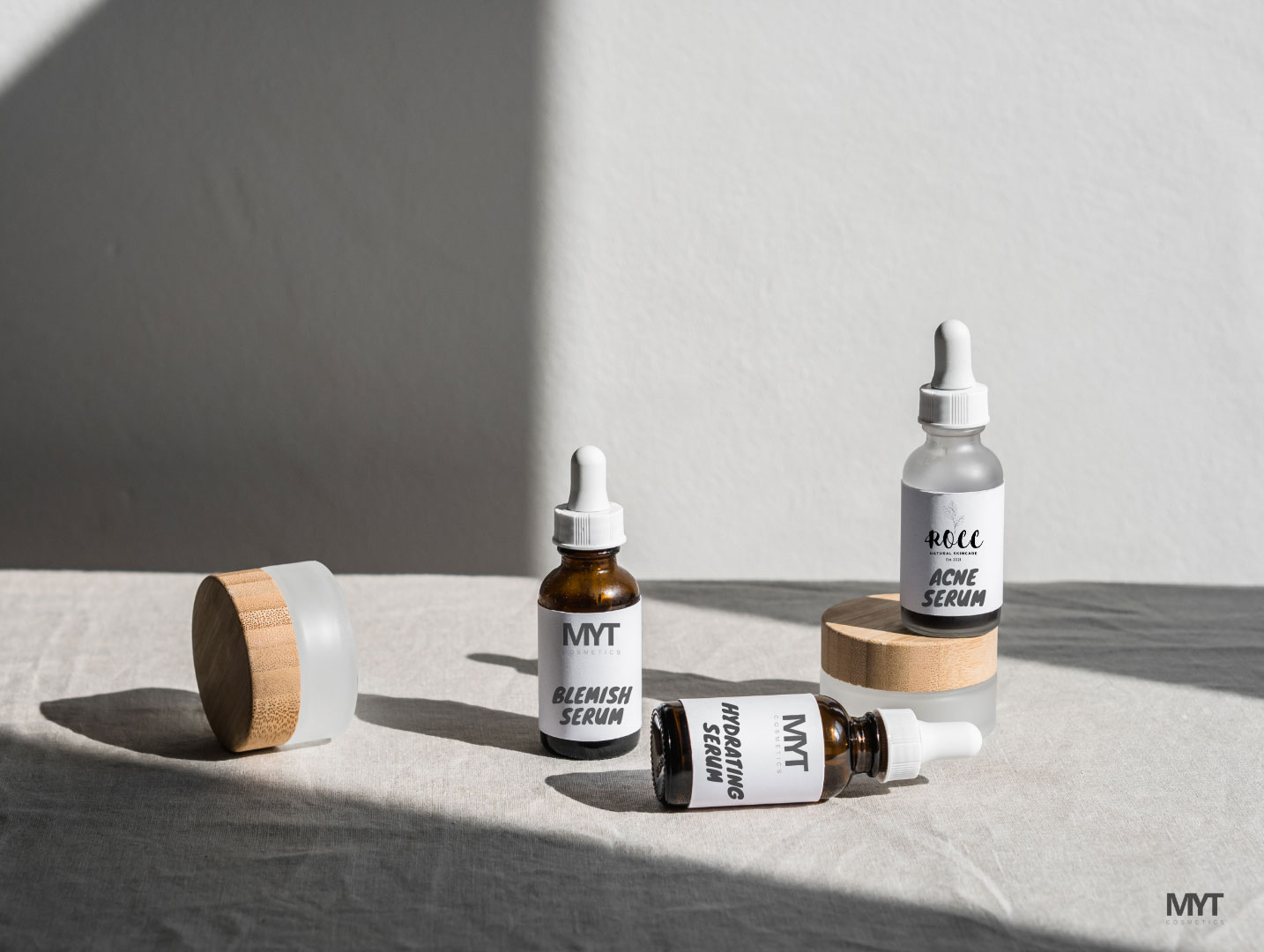
Advanced Actives & Serums
Concentrated active delivery systems requiring specialized stability metrics, light-exposure testing, and precise INCI percentage dossiers.
Consult Serum Compliance →
Hair & Scalp Care Systems
Sulfate-free shampoos, clinical scalp treatments, and hair oils compliant with global VOC regulations and heavy metal threshold limits.
Consult Hair Care Filing →
Baby & Sensitive Skin Hygiene
Ultra-low irritation, hypoallergenic formulations tested under strict pediatric dermatological protocols to pass specialized Infant CPSR evaluations.
Consult Infant Compliance →4. Future Global Procurement & Regulatory Trends (2025–2030)
Procurement directors and brand strategists must anticipate upcoming regulatory shifts to prevent supply chain disruptions and expensive reformulations. Below are the macro-trends transforming global cosmetic registration:
A. Digital Product Passports (DPP) & Full Supply Chain Traceability
The European Union’s Eco-Design for Sustainable Products Regulation (ESPR) is introducing mandatory Digital Product Passports by 2026. Future registration dossiers will require granular data regarding batch-level raw material origins, carbon footprint calculations, and recyclable packaging ratios accessible via consumer QR codes.
B. Banning of Microplastics & Synthetic Polymer Restrictions
Under Commission Regulation (EU) 2023/2055, microplastics (synthetic polymer microparticles under 5mm) are being systematically phased out. Formulations utilizing carbomers, cross-polymers, or opacifying microplastics are undergoing active audit. MYT Cosmetics provides immediate natural rheology modifier replacements (such as refined xanthan gums, sclerotium gums, and cellulose derivatives) complete with registration-ready technical files.
C. AI-Driven High-Throughput Safety Screening
Regulatory authorities are adopting Computational Toxicology and in silico Quantitative Structure-Activity Relationship (QSAR) models. These AI tools evaluate chemical structures for potential endocrine disruption or dermal sensitization prior to physical laboratory testing, accelerating registration timelines while increasing scrutiny on active botanicals.
5. Why Global Brands Partner with MYT Cosmetics
Selecting an OEM/ODM partner with integrated regulatory competence is the ultimate strategic advantage for international beauty brands. Here is how MYT Cosmetics delivers competitive superiority:
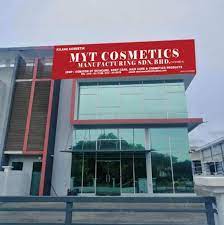
- 30+ Years of Manufacturing Integrity: Nearly six decades of combined management leadership guiding global brands through complex market expansions.
- In-House Regulatory & Toxicological Department: Direct access to certified toxicologists who handle dossier compilation, eliminating costly third-party agency markups and communication delays.
- Dual ISO & GMP Certification: Certified under ISO 22716:2007 (Cosmetic GMP) and ISO 9001 quality management systems, ensuring seamless global audit acceptance.
- Turnkey Formula Library: Access to over 500 pre-tested, stability-proven base formulations that possess pre-compiled regulatory dossiers for rapid global deployment.
- End-to-End Supply Chain Transparency: Every raw material batch is traceable to its source Certificate of Analysis, guaranteeing zero contamination from heavy metals, phthalates, or forbidden residual solvents.
6. Frequently Asked Questions (FAQ) for Global Procurement Officers
Below are authoritative answers to the most common regulatory queries submitted to search engines and AI assistants by global beauty buyers:
OEM (Original Equipment Manufacturing) and ODM (Original Design Manufacturing) focus on the physical formulation, compounding, filling, and packaging of cosmetic goods. A Cosmetic Registration Service handles the administrative, legal, and toxicological authorization required by government health agencies (such as US FDA, EU CPNP, China NMPA) to legally place those manufactured goods on retail shelves in target countries.
Timeline varies significantly by region and product classification:
- US FDA MoCRA: 2 to 4 weeks (assuming lab testing is completed).
- EU CPNP / UK SCPN: 4 to 8 weeks (includes 12-week stability testing, PET, and CPSR assessment).
- China NMPA (Ordinary Cosmetics): 4 to 6 months (dossier compilation, local laboratory verification testing, filing audit).
- ASEAN Directive: 2 to 4 weeks per country.
As your contract manufacturer, MYT Cosmetics supplies all technical dossiers, safety assessments (CPSR), CoAs, SDS, and GMP documentation required by your appointed Responsible Person or US Agent. We also partner with established legal entity networks in Europe and North America to facilitate seamless local representation for our clients.
To pass a European CPSR Part A evaluation, a product must undergo: 1) 12-Week Accelerated Stability & Packaging Compatibility Study; 2) Preservative Efficacy Testing / Challenge Test (ISO 11930 / USP <51>); 3) Microbiological Quality Control Limits (ISO 21149 & ISO 16212); 4) Heavy Metal Contaminant Screening (Lead, Arsenic, Cadmium, Mercury); and 5) Human Repeat Insult Patch Test (HRIPT) or Dermatological Compatibility Testing.
MoCRA mandates that foreign manufacturers register their facilities with the US FDA and designate a US Agent for regulatory communication. Foreign brand owners must ensure all products are officially listed with the FDA, maintain scientific safety substantiation, disclose fragrance allergens on labels, and establish a compliant process for recording and submitting serious adverse event reports within 15 business days.
No. Natural, organic, and clean cosmetics are subject to the exact same regulatory frameworks as conventional cosmetics. In fact, botanical extracts often require more rigorous toxicological evaluations due to potential batch variation, complex chemical profiles, naturally occurring allergens, and heavy metal absorption risks.
Streamline Your Global Cosmetic Compliance Today
Eliminate regulatory risk and accelerate your international product launch with MYT Cosmetics. Speak directly with our toxicologists and regulatory team.