
Engineered for global brand distribution: dermatologically tested, custom surfactant matrices, certified botanical extracts, and automated filling for luxury, clinical, and mass-market skincare lines.
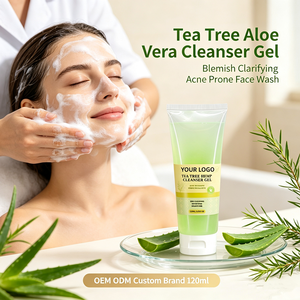
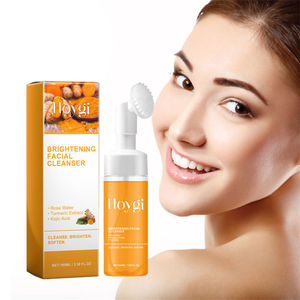
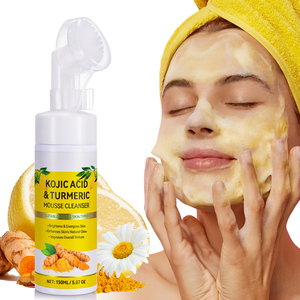
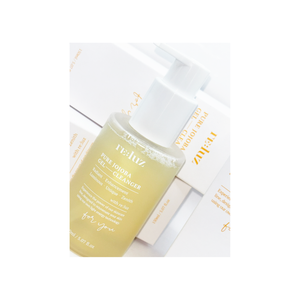
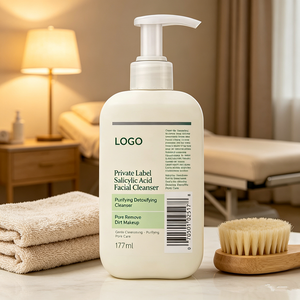
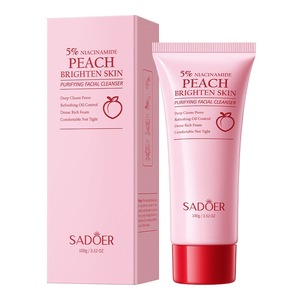
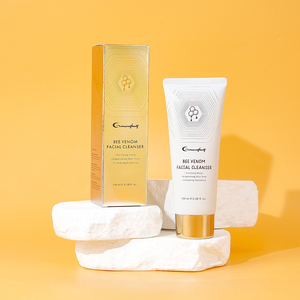
A data-driven technical audit of leading multinational contract manufacturers, evaluating cleanroom engineering, minimum order quantities (MOQs), surfactant synthesis, and regulatory dossier support.
| Manufacturer | HQ / Primary Hub | Cleanroom & Certifications | Core Formulation Specialization | Export Lead Time | Standard MOQ |
|---|---|---|---|---|---|
| MYT Cosmetics Manufacturing | China / Southeast Asia Hub | GMP / ISO 22716 / FDA / BSCI | Amino acid cleansers, enzyme powders, bio-ferment gel-to-foam | 15–25 Days | 1,000–3,000 units |
| Cosmax Group | South Korea / Global | CGMP, ISO 22716, ECOCERT | Micro-emulsion cleansers, Korean herb fermented bases | 45–60 Days | 10,000 units |
| Kolmar Korea | South Korea / USA | cGMP, ISO 14001, Halal Certified | High-viscosity cleansing balms, micellar suspension tech | 40–55 Days | 10,000 units |
| Intercos S.p.A. | Italy / Global | ISO 22716, EFfCI, B Corp Certified | Prestige hybrid foaming oils, clinical anti-pollution cleansers | 60–75 Days | 5,000–10,000 units |
| Fareva | France / Europe | ANSM cGMP, ISO 22716, FDA | Dermatological soap-free syndet bars, sterile aerosol foams | 50–70 Days | 10,000+ units |
| Mana Products | United States | FDA registered, OTC Drug Certified | Salicylic & Glycolic acid active OTC acne face washes | 35–50 Days | 5,000 units |
| Nihon Kolmar | Japan | J-GMP, ISO 22716, Quasi-Drug | Ultra-dense marshmallow whip foams, Japanese botanical cleansers | 50–65 Days | 5,000–10,000 units |
| HCP Packaging & OEM | China / Global | ISO 9001, ISO 22716 | Integrated pump-dispenser turnkey mousse, mass-market tubes | 30–45 Days | 10,000 units |
| Thibiant International | United States | cGMP, FDA registered | Cosmeceutical peptide washes, lipid-barrier replenishing lotions | 45–60 Days | 5,000 units |
| Bio-chem Laboratory | Taiwan / China | ISO 22716, Taiwan GMP | Whitening ascorbic acid cleansers, sensitive microbiome washes | 25–40 Days | 3,000 units |
Exporting facial cleansers to North America, the European Union, and ASEAN requires comprehensive Product Information Files (PIF), safety assessments by certified toxicologists (CPSR), US MoCRA facility listings, and strict compliance with EU Cosmetic Regulation (EC) No 1223/2009. Top exporters provide turnkey document packages including stability challenge tests (ISO 11930) and heavy metal screenings.
The global shift away from ethoxylated surfactants (SLES) and harsh sulfates (SLS) has made amino acid surfactants (Sodium Cocoyl Glycinate, Potassium Lauroyl Sarcosinate) and alkyl polyglucosides (APGs) the gold standard. High-capacity manufacturers utilize continuous automated vacuum homogenization to prevent air entrapment while maintaining crystal-clear formulation clarity.
Cleanser formulations require rigorous rheological calibration to match dispenser mechanics. From self-foaming air pumps and dual-chamber dispensing valves to high-viscosity flip-top tubes, tier-1 contract manufacturers perform real-time compatibility testing (45°C thermal stress, freeze-thaw cycles, vacuum leak detection) to eliminate packaging stress cracking and leakage during intercontinental shipping.
Combining over 30 years of cosmetic chemistry mastery with Class 100,000 cleanroom infrastructure to supply independent, clinical, and enterprise beauty conglomerates worldwide.
Fully compliant with Good Manufacturing Practice (ISO 22716 and US FDA CFSAN guidelines). Multi-line automated filling suites maintain sterile positive-pressure environments to eliminate microbial contamination.
Led by veteran cosmetic chemists with nearly six decades of cumulative formulation experience, maintaining a proprietary library of over 500+ stabilized cleanser, serum, and personal care formulas.
Complete custom primary and secondary packaging solutions: local and imported raw materials, airless pump engineering, screen printing, gold foiling, and sustainable PCR/biodegradable tube integration.
Long-standing ingredient sourcing networks across Europe, North America, and Japan. Expedited customs documentation (COA, MSDS, Free Sale Certificates) for friction-free cross-border clearance.
From custom active ingredient profiling to final shelf-ready container delivery, our standardized stage-gate process ensures total formulation consistency, stability, and on-time distribution.
Product brief analysis, target skin demographic, sensory texture, benchmarking, and packaging specifications.
Custom surfactant matrix selection, active carrier stabilization, and initial pilot lab sample creation.
Client sensory sign-off, accelerated 3-month thermal stability, challenge testing, and packaging leak trials.
Preparation of INCI breakdowns, MSDS, COA, microbial challenge documentation, and regional regulatory registration.
Bulk automated emulsification, Class 100,000 filling, in-line weight check, batch code laser printing, and shrink-wrapping.
Palletization with temperature monitoring, maritime or air freight forwarding, customs clearance, and warehouse drop-ship.
Key technological, chemical, and supply chain shifts redefining B2B facial cleanser purchasing strategies over the next five years.
Global procurement teams are shifting toward bio-surfactants produced via microbial yeast fermentation, such as Sophorolipids and Rhamnolipids. Unlike petroleum-derived surfactants or high-purity palm kernel derivatives, fermentation-derived bio-surfactants offer an ultra-low Critical Micelle Concentration (CMC), near-zero skin irritation potential, 100% natural biodegradability, and superior foaming performance even in hard water conditions. Sourcing partners that offer integrated bio-fermentation capabilities will command a significant cost and sustainability advantage.
Consumer awareness regarding the skin's biological acid mantle has rendered alkaline soap bases (pH 8.5–10.0) unviable for modern clinical brands. Future procurement contracts explicitly stipulate tight pH tolerances between 4.8 and 5.5, fortified with postbiotic lysates (Bifida Ferment Lysate, Lactobacillus Ferment) and prebiotic inulin fibers. These formulations preserve commensal microflora (*Staphylococcus epidermidis*) while preventing opportunistic colonization by acne-inducing pathogens (*Cutibacterium acnes*).
With corporate Scope 3 carbon reduction mandates and rising international freight tariffs, anhydrous facial cleansers represent the fastest-growing OEM category. Micro-granulated enzyme cleansing powders (containing Papain, Bromelain, and Subtilisin) and anhydrous cleansing sticks reduce shipping weight by up to 75% per unit. They eliminate the need for broad-spectrum synthetic preservatives and offer significantly extended shelf life in hot, humid transit corridors.
Traditional cleansers lose active ingredient efficacy during the 30-second wash-off process. Next-generation contract manufacturing utilizes sub-micron lipid encapsulation and cationic polymer deposition systems (Polyquaternium-10 matrices). This allows lipophilic actives such as Salicylic Acid, Retinyl Palmitate, Ceramide NP, and Niacinamide to bond electrostatically to the stratum corneum, continuing trans-epidermal therapeutic delivery long after water rinsing.
Geopolitical turbulence and shipping bottleneck risks have forced brand procurement leaders to transition from single-source manufacturing to "China + 1" or hybrid nearshoring models. B2B contract manufacturers with flexible production nodes capable of sharing formulation master records between domestic GMP facilities and international sister plants ensure brand continuity, tariff mitigation, and regional regulatory compliance.
By 2026, European and North American regulations (such as the EU Packaging and Packaging Waste Regulation) will impose severe penalties on non-recyclable cosmetic packaging. Procurement leads are actively phasing out composite multi-material lotion pumps in favor of 100% monomaterial Polypropylene (PP) or Polyethylene (PE) spring-free pumps, PCR (Post-Consumer Recycled) ocean-bound plastics, and aluminum tubes with interior food-grade epoxy liners.
Authoritative technical and commercial insights for cosmetics brand managers, procurement directors, and supply chain executives.
Standard OEM custom formulation projects (requiring bespoke ingredient balancing, customized fragrance/colorant matching, and active encapsulation) typically start at 1,000 to 3,000 units per SKU for flexible facilities like MYT Cosmetics, whereas large global conglomerates (e.g., Cosmax, Fareva) set thresholds at 10,000 units. For off-the-shelf, pre-tested white label formulations using in-stock packaging, pilot run MOQs can start as low as 500 to 1,000 units.
A rigorous contract manufacturing protocol requires: (1) 3-Month Accelerated Thermal Stability at 4°C, 25°C, 45°C, and 50°C under 75% relative humidity; (2) Freeze-Thaw Cycling (5 consecutive cycles between -10°C and +40°C); (3) Preservative Efficacy Testing (PET / Challenge Test) per USP 51 / ISO 11930 against *P. aeruginosa*, *S. aureus*, *E. coli*, *C. albicans*, and *A. brasiliensis*; and (4) Package-Formula Compatibility (leaching and stress cracking tests).
Soap bases are alkali salts of fatty acids (e.g., Potassium Laurate, Sodium Palmitate) operating at an alkaline pH of 9.0–10.5, which strips skin barrier ceramides. Sulfated surfactants (SLS/SLES) possess a high charge density that penetrates the stratum corneum, denaturing proteins. Amino acid surfactants (e.g., Sodium Cocoyl Glycinate, Potassium Lauroyl Glutamate) possess an acyl group bonded to an amino acid residue, maintaining a physiological pH of 5.0–6.0 with low micellar penetration, delivering rich lather without membrane disruption.
For the United States: Compliance with the Modernization of Cosmetics Regulation Act (MoCRA), including FDA facility registration, mandatory product listing, safety substantiation records, and OTC drug monographs if making anti-acne claims (e.g., Salicylic Acid 0.5–2%). For the European Union: A complete Product Information File (PIF), Cosmetic Product Safety Report (CPSR Part A & B) signed by a European safety assessor, notification on the CPNP portal, and appointment of an EU Responsible Person (RP).
The standard OEM manufacturing timeline averages 25 to 35 business days from client deposit and final artwork sign-off. The critical path includes: Raw material procurement & analytical testing (7–10 days), bulk compounding and cleanroom homogenization (3–5 days), automated filling and secondary packaging (5–7 days), and final micro-biological quarantine & QA release (3–5 days). Custom-molded packaging or international component import may add 2–3 weeks to initial batch lead times.
Under a true OEM contract, the client owns the full formulation intellectual property, manufacturing process records, and trademark packaging rights upon settlement of agreed formulation development fees. Under an ODM/White-Label contract, the manufacturing laboratory retains proprietary ownership of the master chassis while granting the brand exclusive commercial distribution rights for the packaged final product under their brand name.
Partner with a GMP-certified manufacturer possessing 30+ years of cosmetic formulation engineering, Class 100,000 cleanroom capacity, and seamless global export compliance. Connect with our senior formulation chemists today.
Get a Quote