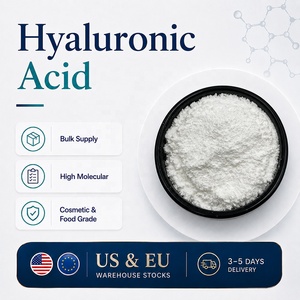
Food Grade Hyaluronic Acid Powder Sodium Hyaluronate for Joint Health Supplement Kosher Halal Certified
Bio-fermented food-grade Sodium Hyaluronate optimized for oral bio-availability, joint lubrication, and nutricosmetic tablets.
Technical Sourcing Guide for Sodium Hyaluronate Raw Materials, Contract Formulation, Molecular Weight Selection, and Global OEM/ODM Supply Chains.
Explore our top-tier bulk Sodium Hyaluronate powders and white-label finished skincare & supplement formulations manufactured under strict ISO 22716 & GMP protocols.
Bio-fermented food-grade Sodium Hyaluronate optimized for oral bio-availability, joint lubrication, and nutricosmetic tablets.
Comprehensive spectrum of high, medium, and low molecular weight HA powders for custom cosmetic formulation and manufacturing.
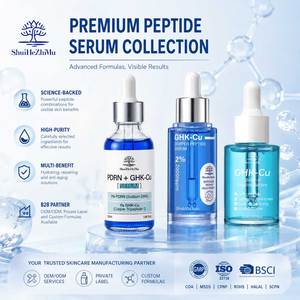
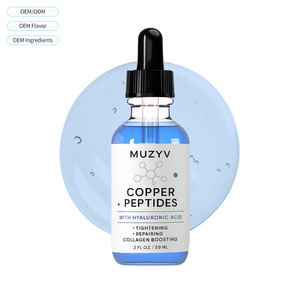
Synergistic anti-aging facial serum combining dermal-repairing GHK-Cu Copper Tripeptide-1 with multi-depth Hyaluronic Acid.
Premium HMW Sodium Hyaluronate forming a dense, breathable film for surface hydration and anti-pollution topical protection.
High-performance peptide complex blending SNAP-8 expression line reduction with GHK-Cu and hydrated bio-matrices.
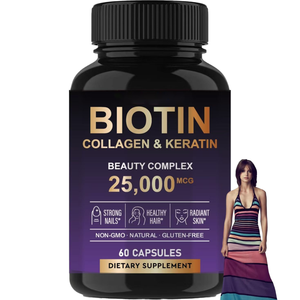
Oral nutricosmetic complex engineered with Sodium Hyaluronate, Hydrolyzed Keratin, and Biotin for holistic cellular rejuvenation.
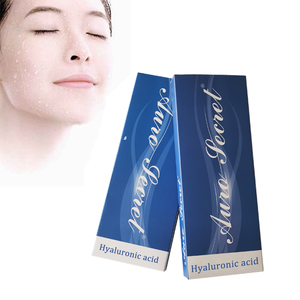
BDDE cross-linked viscoelastic Sodium Hyaluronate gel tailored for precise volumetric remodeling and structural augmentation.
Ultra-pure cosmetic raw material offering high transparency, low heavy metal content, and superior solubility for formulation stability.
As global cosmetic and pharmaceutical industries prioritize bio-fermented actives, China has emerged as the global epicenter for Sodium Hyaluronate production, accounting for more than 80% of the worldwide raw material volume. Modern bio-fermentation using non-animal Streptococcus zooepidemicus strains has surpassed traditional bovine or avian extraction, eliminating transmissible spongiform encephalopathy (TSE) risks while delivering exceptional batch consistency, hyper-purity, and controllable molecular weight distributions.
The efficacy of Hyaluronic Acid in both topical skincare formulations and oral nutricosmetics depends directly on its Molecular Weight (Mw) profile measured in KiloDaltons (kDa) or MegaDaltons (MDa). Formulators must carefully engineer multi-molecular complex systems to target distinct layers of the stratum corneum and dermis.
| Category | Molecular Weight Range | Penetration Depth | Primary Bio-Mechanism | Ideal Application |
|---|---|---|---|---|
| High Molecular Weight (HMW-HA) | > 1.5 MDa to 2.2 MDa | Stratum Corneum Surface | Forms dense viscoelastic protective layer, mitigates TEWL (Transepidermal Water Loss), anti-pollution shield. | Hydrating Toners, Barrier Creams, Protective Gels |
| Medium Molecular Weight (MMW-HA) | 0.8 MDa to 1.5 MDa | Upper Epidermis Layer | Long-lasting moisture retention, enhances skin elasticity, smooths surface roughness. | Daily Moisturisers, Body Lotions, Sheet Masks |
| Low Molecular Weight (LMW-HA) | 100 kDa to 800 kDa | Mid Epidermis Layer | Replenishes cellular moisture matrix, repairs micro-damage, supports intercellular lipids. | Restorative Serums, Anti-aging Creams |
| Micro / Oligo HA (Mini-HA) | < 10 kDa to 50 kDa | Deep Dermis Penetration | Stimulates endogenous HA synthases (HAS-2), promotes collagen-I synthesis, quenches free radicals. | Concentrated Repair Ampoules, Eye Serums |
| Cross-linked HA (BDDE Modified) | 3D Polymeric Network | Subcutaneous / Dermal Matrix | Resists enzymatic degradation by native hyaluronidase, provides structural volumization. | Dermal Fillers, Volumizing Lips & Facial Gels |
Formulation Tip: Modern clinical-grade formulations utilize a 4D or 5D multi-molecular matrix combining HMW, MMW, LMW, and Enzymatic Oligo-HA. This creates a multi-stage hydration cascade that seals surface moisture while stimulating cellular tissue repair at deeper subcutaneous levels.
As a premier GMP-certified cosmetic and active ingredient manufacturer with over 30 years of operational excellence, MYT Cosmetics / BMK Healthcare bridges the gap between raw active production and finished retail-ready skincare solutions.
State-of-the-art Class 100,000 cleanroom environments featuring automated sterile filling lines, HVAC micro-filtration, and strict bio-burden control.
Proprietary R&D expertise integrating Sodium Hyaluronate with Blue Copper Peptides (GHK-Cu), SNAP-8, Vitamin C derivatives, and Ectoin.
Full regulatory support including COA, MSDS, Certificate of Origin, Stability Testing, Microbe Limit Validation, and NMPA / FDA filings.
Complete private-label custom packaging solutions, custom glass bottle decoration, silk-screening, and eco-friendly outer carton manufacturing.
The global market for Hyaluronic Acid is shifting rapidly from basic cosmetic grade hydration towards multi-functional, ultra-targeted, bio-engineered actives. B2B buyers must align their procurement strategies with four key technical shifts driving the market through 2030:
Traditional low molecular weight HA production utilized harsh chemical acid digestion, which risks damaging molecular ring structures and introducing impurities. Advanced Chinese manufacturers now utilize precision Hyaluronidase Enzymatic Cleavage. This eco-friendly method produces Mini-HA (<10 kDa) with undamaged structural integrity, higher transdermal absorption, and superior radical-scavenging properties.
Formulators are moving away from standalone HA serums toward hybrid bio-complexes. Combining Sodium Hyaluronate with bioactive peptides like GHK-Cu (Copper Tripeptide-1) and SNAP-8 (Anti-wrinkle octapeptide) creates a dual-action mechanism: HA supplies immediate turgor pressure and moisture, while peptides trigger long-term extracellular matrix synthesis and wrinkle relaxation.
Driven by the "Beauty from Within" movement, demand for Kosher and Halal-certified food-grade Sodium Hyaluronate is accelerating. Clinical trials confirm that orally ingested HA (120–200 mg/day) is absorbed by intestinal epithelial cells and distributed to dermal tissues, increasing skin hydration, diminishing dry eye symptoms, and lubricating joint cartilage.
Global brand owners require transparent ESG compliance. Modern manufacturing plants in China leverage non-GMO glucose substrates derived from sustainable corn starch, coupled with closed-loop water recovery systems and zero-animal-derived raw materials, achieving carbon footprint reductions exceeding 35% compared to legacy processes.
Key technical, regulatory, and logistics queries answered by our senior formulation scientists and supply-chain directors.