
Explore our industry-leading range of custom cosmetic pump containers, airless serum bottles, specialized treatment dispensers, and high-performance packaging components built for international beauty brands.
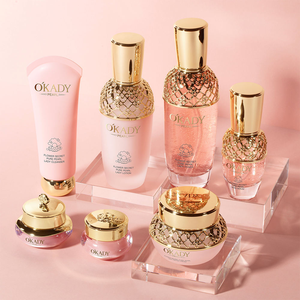
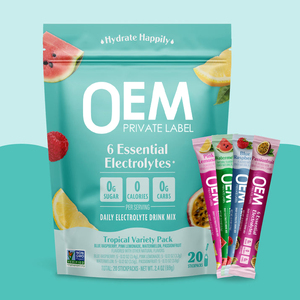
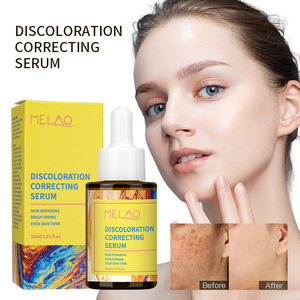
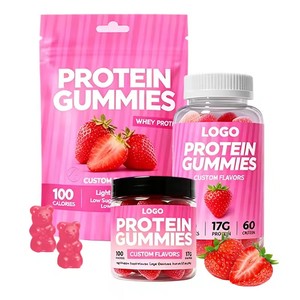
The global personal care container market has undergone a dramatic transformation over the past decade, driven by accelerating demands for precision dosing, formula integrity, and environmental sustainability. As international beauty conglomerates and direct-to-consumer (D2C) cosmetic brands scale globally, China has solidified its standing as the world’s preeminent manufacturing hub for high-performance pump bottles, lotion dispensers, and airless packaging systems.
Modern cosmetic dispensing is no longer merely an aesthetic vessel; it is an intricate fluid dynamics engineering assembly. A single lotion pump mechanism contains between 6 to 11 precision-molded components, including the actuator, stem, closure, outer gasket, engine cylinder, internal or external spring, piston, dip tube, and non-return ball valve. Chinese manufacturers have invested heavily in automated optical inspection (AOI) sorting, high-speed robotic assembly, and ultra-precise injection molds with tolerances as tight as ±0.01mm. This technical capability ensures that whether dispensing low-viscosity toners, medium-viscosity serums, or high-viscosity body creams, every actuation delivers an exact volumetric stroke ranging from 0.05ml to 4.0ml.
Isolates sensitive cosmetic formulas (Vitamin C, Retinoids, Botanical Actives) from atmospheric oxygen, extending shelf life by up to 40% without artificial preservatives.
Eliminates internal metal springs in favor of 100% Polypropylene (PP) elastomeric spring engines, enabling seamless single-stream curbside recycling.
Calibrated liquid discharge chambers providing exact dosage outputs per actuation (0.12ml, 0.20ml, 0.50ml, 1.5ml) to optimize formula consumer mileage.
Selecting the optimal polymer or glass substrate for cosmetic pump packaging requires matching fluid viscosity (cPs) with chemical stability, barrier properties, and mechanical stress tolerances.
| Substrate / Resin Type | Viscosity Range (cPs) | Barrier Integrity | Impact Resistance | Primary Application Suitability | Recyclability Code |
|---|---|---|---|---|---|
| PET / PETG (Polyethylene Terephthalate) | 1,000 – 15,000 cPs | High (O2 & CO2) | Moderate to High | Facial Serums, Cleansing Oils, Toners | RIC #1 (PET) / RIC #7 (PETG) |
| HDPE (High-Density Polyethylene) | 5,000 – 50,000 cPs | Superior Moisture Barrier | Excellent Drop Strength | Body Lotions, Shampoo, Conditioner | RIC #2 (HDPE) |
| Acrylic / PMMA (Double-Wall) | 2,000 – 80,000 cPs | Moderate | Rigid Glass-Like | Luxury Anti-Aging Creams, Eye Treatments | RIC #7 (Acrylic) |
| PCR (Post-Consumer Recycled PP/PET) | 1,000 – 30,000 cPs | High (Formulation Dependent) | Good Mechanical Memory | Eco-Friendly Brand Lines, Mass Market Body Wash | RIC #1 / RIC #5 |
| Monomaterial All-Plastic PP | 500 – 25,000 cPs | High Chemical Inertness | High Flexural Fatigue Strength | Clean Beauty Formulations, Sustainable Dispensing | RIC #5 (100% Recyclable) |
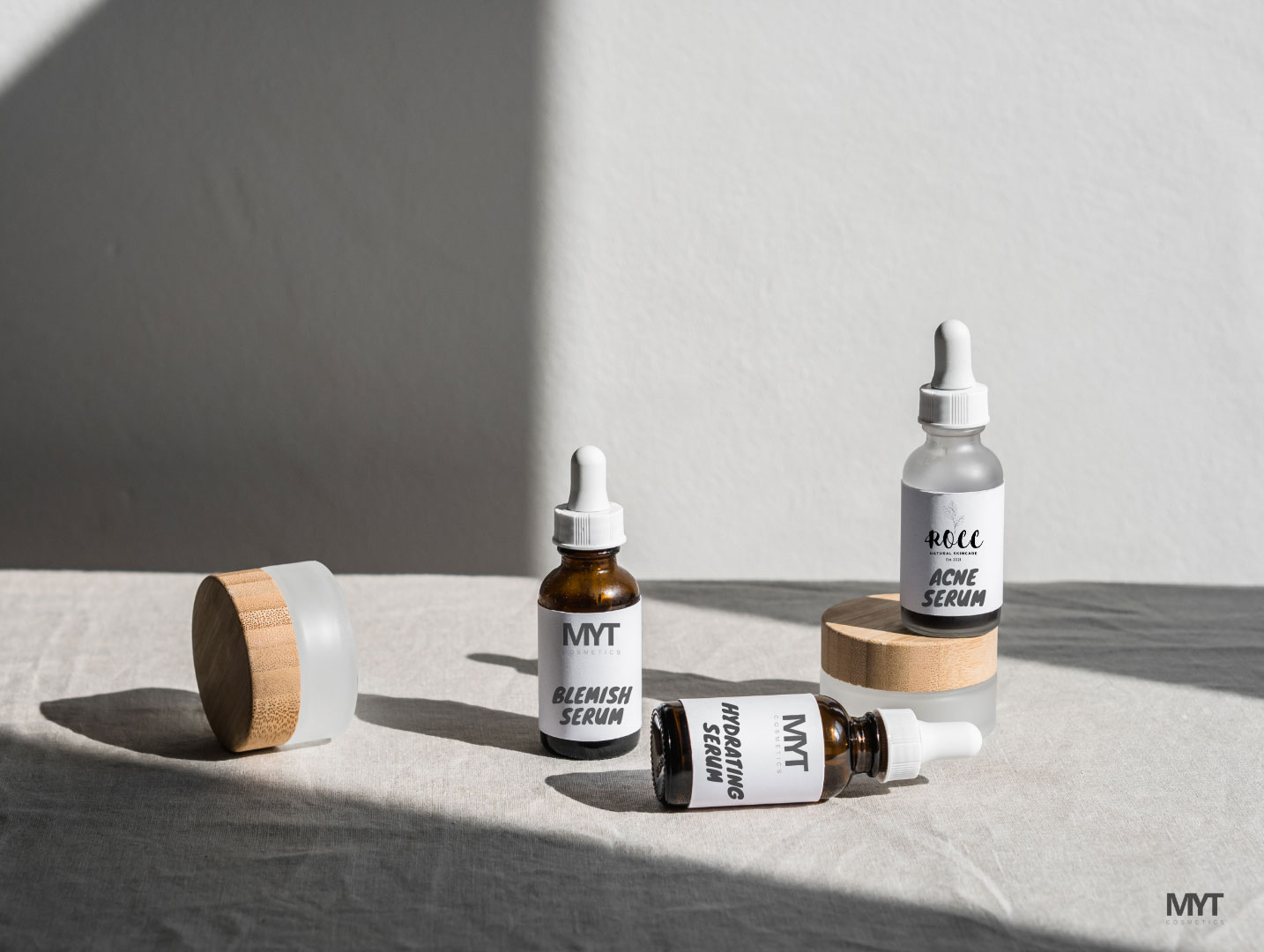
Building upon over 30 years of cosmetic manufacturing leadership within our industrial ecosystem (including MYT Cosmetics and BMK Healthcare operations), our facilities represent the pinnacle of Chinese packaging and formulation excellence. We bridges the gap between raw container molding and turnkey cosmetic finished goods.
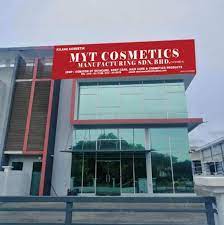
Our integrated manufacturing matrix features over 50 automated injection-stretch blow molding (ISBM) units, high-speed silk-screening lines, automated hot-stamping machines, and vacuum leak testing stations capable of verifying seal integrity under negative pressures down to -0.08 MPa. Key infrastructure highlights include:
From initial concept and formula compatibility testing to mass production and international freight clearance, our streamlined process ensures transparent project management.




As regulatory frameworks tighten worldwide (EU Packaging and Packaging Waste Regulation - PPWR), beauty brands must align their packaging strategies with future-proof dispensing engineering.
Transitioning from virgin plastics to 30%, 50%, or 100% Post-Consumer Recycled (PCR) PET and PP. Chinese manufacturers now provide GRS-certified (Global Recycled Standard) resin traceability, ensuring physical stability and aesthetic clarity equal to virgin resins.
The rise of luxury reusable outer containers (Glass, Heavy Acrylic, or Aluminum) paired with ultra-thin, low-cost replaceable inner airless pods. This system reduces plastic consumption per consumer cycle by up to 70% while enhancing brand loyalty.
Conventional pumps require manual disassembly to remove internal stainless steel springs during recycling. Next-generation metal-free pumps utilize plastic spring geometries or TPE bellows, rendering the entire assembly 100% recyclable in standard municipal plastic streams.
Addressing technical, logistical, and regulatory inquiries commonly encountered during bulk pump bottle procurement from China manufacturers.
For standard stock bottle shapes and stock colors (white, clear, black), MOQs typically start at 3,000 to 5,000 units. For custom pantone color matching, custom UV spraying, or specialized private label printing, the standard production MOQ is 10,000 units. Proprietary custom mold builds usually require a minimum run of 20,000 units to optimize production efficiencies.
Standard dip-tube lotion pumps introduce ambient air into the bottle chamber as liquid is displaced. This is suitable for stable formulations such as body washes, standard moisturizers, and hair conditioners. However, if your formula contains active antioxidants (Vitamin C, Retinol, Peptides), organic botanicals, or zero-preservative systems, an Airless Pump Bottle is mandatory. Airless systems utilize a rising bottom piston to vacuum-dispense product, preventing oxidation and formula degradation.
Air cargo holds experience low barometric pressure which can cause unsealed packaging to leak. Leading Chinese packaging manufacturers subject filled pump bottle samples to a Vacuum Leakage Chamber Test at -0.08 MPa (-0.8 bar) pressure for 15 to 30 minutes. Additionally, bottles undergo inverted drop testing (1.2 meters onto a concrete floor) and 45°C thermal stability testing over 48 hours to guarantee thread and gasket compression seals.
Chemical compatibility testing involves immersing the pump engine components (gaskets, pistons, dip tubes, valve balls) into your specific liquid bulk formulation at elevated temperatures (45°C and 50°C) for 4 to 12 weeks. This accelerated aging test measures plastic swelling, stress cracking, loss of spring tension, or chemical leaching, ensuring long-term product-package stability before mass filling.
Imported packaging must comply with regional food-grade and chemical safety standards. Key certifications include FDA 21 CFR compliance for raw plastic resins, EU REACH (SVHC) chemical safety clearance, RoHS heavy metal restrictions, and GRS (Global Recycled Standard) documentation if claiming Post-Consumer Recycled (PCR) content. Our factory provides complete material safety data sheets (MSDS) and certificate of analysis (COA) for every shipment batch.
Existing stock samples are dispatched within 24 to 48 hours. Custom decorated samples (with customized pantone colors and silk-screen logos) require 7 to 10 days. New custom mold design and steel tooling fabrication typically take 25 to 35 days, followed by 15 to 20 days for mass production execution. Sea freight transit from Ningbo or Shanghai port ranges from 18 to 35 days depending on the destination port.
Partner with China's leading GMP-certified pump bottle manufacturer. Connect directly with our engineering team for technical CAD drawings, complimentary sample kits, and competitive factory-direct wholesale quotes.