
Explore our CE-compliant, GMP-certified skincare and nutraceutical product solutions tailored for international brand owners and distributors.

In the highly competitive global skincare, cosmetic, and nutraceutical industries, sourcing high-potency active ingredients like Vitamin C (L-Ascorbic Acid and its derivative compounds) requires an rigorous framework of quality assurance, regulatory compliance, and stabilization technology. Brand managers, product developers, and procurement directors face unprecedented scrutiny regarding active ingredient bioavailability, shelf-life oxidation control, and regional regulatory compliance—most notably European CE certification metrics, ISO 22716 Good Manufacturing Practices (GMP), and Regulation (EC) No 1223/2009 standards.
As a premiere CE certified Vitamin C supplier and exporter with over three decades of contract manufacturing (OEM/ODM) leadership, our manufacturing infrastructure bridges advanced biochemical engineering with robust global supply chain logistics. This technical white paper serves as an authoritative guide for B2B buyers seeking to analyze Vitamin C derivatization, oxidation mitigation strategies, custom encapsulation protocols, and market compliance parameters necessary for international market expansion.
When selecting a Vitamin C supplier, B2B buyers must evaluate the specific chemical variant of Ascorbic Acid utilized in the formulation matrix. Different derivatives exhibit drastically distinct solubility profiles, pH stability windows, penetration depths, and conversion efficiencies within human epidermal layers.
| Derivative Name | INCI Name | Solubility | Optimal pH | Stability Index | Primary Clinical Benefit |
|---|---|---|---|---|---|
| Pure Ascorbic Acid | L-Ascorbic Acid | Water-soluble | 2.5 - 3.5 | Low (Rapid Oxidation) | Direct Antioxidant & Collagen Synthesis |
| Ethyl Ascorbic Acid | 3-O-Ethyl Ascorbic Acid | Amphiphilic | 4.0 - 5.5 | Exceptional (Light/Heat Resistant) | Melanogenesis Inhibition & Deep Penetration |
| Sodium Ascorbyl Phosphate | SAP | Water-soluble | 6.0 - 7.0 | High (Hydrolytic Stability) | Acne Mitigation & Antimicrobial Synergy |
| Magnesium Ascorbyl Phosphate | MAP | Water-soluble | 6.5 - 7.5 | High (Mild Acid Neutral) | Sensitive Skin Brightening & Hydration |
| Tetrahexyldecyl Ascorbate | THDA | Lipid-soluble | 5.5 - 6.5 | Ultra-High (Lipophilic) | Dermal Matrix Penetration & Cell Protection |
Our research and development laboratories specialize in multi-derivative compounding. By pairing lipophilic THDA with amphiphilic 3-O-Ethyl Ascorbic Acid, we engineer dual-phase delivery systems that penetrate both the intercellular lipid matrix and aqueous cellular layers, delivering immediate radiance alongside sustained long-term dermal renewal.
Selecting an established OEM/ODM contract manufacturer is the pivotal decision for brand profitability, product integrity, and speed-to-market. Our factory leverages vertically integrated production lines engineered to meet demanding international standards.
Operates within ISO 22716 and US FDA GMP registered cleanroom environments, ensuring batch-to-batch micro-biological purity and full export readiness.
Over 500+ active cosmetic and supplement formulations. Our in-house chemists adjust viscosity, active percentage, and scent profiles to your precise brand vision.
We streamline international market clearance by providing complete CPNP notifications, Safety Assessment Reports (CPSR), Certificate of Analysis (COA), and MSDS documentation.
Utilizes nitrogen sparging, vacuum homogenizers, UV-filtered dark amber glass bottling, and airless pump integration to guarantee zero premature browning.
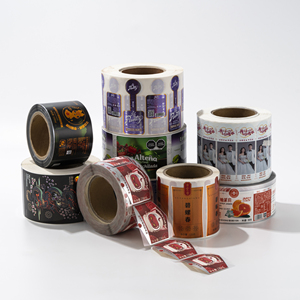
From raw ingredient procurement and primary bottle manufacturing to outer box printing, custom labeling, and global freight forwarding.
Automated liquid fill lines capable of scaling from boutique trial batches of 1,000 units to full commercial runs exceeding 500,000 units per month.
As global consumer awareness matures, demand for simple, single-agent Ascorbic Acid formulations is rapidly declining in favor of sophisticated, multi-functional, and bio-stabilized derivative complexes. Procurement executives must realign their sourcing matrices with five prominent macroeconomic and biochemical trends shaping the coming decade:
Unencapsulated Vitamin C suffers from oxidation when exposed to moisture, trace heavy metals, and ambient oxygen. Next-generation B2B formulations incorporate liposomal delivery systems—wrapping active Ascorbic Acid molecules in phospholipid bilayers. This structural architecture prevents surface-level breakdown, improves active skin transport by over 400%, and minimizes tingling irritation commonly experienced with low-pH (<3.0) formulas.
To achieve zero-degradation shelf-lives without heavy synthetic preservative systems, global brands are shifting toward anhydrous (water-free) liquid bases (such as propanediol or squalane carriers) and micro-encapsulated lyophilized powders. By eliminating water from the primary formula matrix, the hydrolytic reaction path of Ascorbic Acid is neutralized, providing superior thermal stability across global shipping corridors.
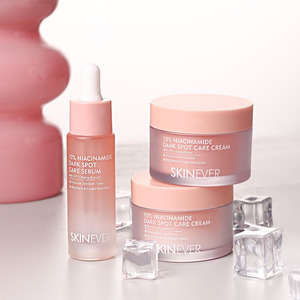
Modern clinical data confirms that Vitamin C achieves exponential efficacy when combined with complementary synergy partners. The gold-standard triad—comprising 15% Ethyl Ascorbic Acid, 1% Tocopherol (Vitamin E), and 0.5% Ferulic Acid—creates a self-regenerating antioxidant cycle. In addition, pairing Vitamin C with Niacinamide (Vitamin B3) via stabilized derivative complexes (preventing the historical formation of Niacin-Rubor complex) represents a major growth vector for comprehensive tone-correcting ranges.
International regulatory authorities—including the European Chemicals Agency (ECHA) and the US FDA under MoCRA (Modernization of Cosmetics Regulation Act)—are mandating granular supply chain transparency. Sourcing CE certified Vitamin C requires verifiable Certificates of Analysis (COA) specifying heavy metal thresholds (Lead < 10ppm, Arsenic < 2ppm, Mercury < 1ppm), microbial counts (< 100 CFU/g), and origin validation for all raw material lots.
We streamline complex product development into a transparent, structured workflow ensuring precision execution from initial formulation design through to international port delivery.





Key technical, regulatory, and commercial inquiries addressed by our technical director and compliance engineers.
Partner with an industry-leading OEM/ODM contract manufacturer. Contact our technical team today to request samples, review COAs, or discuss custom formulation parameters.