Why Choose Facial Cleanser OEM for Your Brand?
Launching a cleanser brand involves more than selecting a pleasant fragrance. The formula must remove sunscreen, excess oil, and daily pollution without leaving tightness behind. That balance is difficult to achieve alone. As dermatologist Dr. Zoe Diana Draelos states, “Cleansing is the first step in any skincare regimen.” It is also the first moment when customers judge your brand.
Facial Cleanser OEM gives brands access to trained formulators, tested raw materials, and established production systems. A reliable manufacturer can help develop gel, foam, cream, balm, or low-pH cleanser textures. They can adjust surfactant levels, humectants, viscosity, fragrance, and packaging compatibility. Picture a cleanser dispensing smoothly from a pump after months in a humid bathroom. Small details matter. They shape repeat purchases.
OEM support can also reduce development time and prevent avoidable mistakes. Stability testing, microbial control, batch records, and quality checks create a stronger foundation. However, OEM is not an automatic shortcut. A beautiful sample may still fail your target market. The formula could feel too drying, foam too little, or conflict with your sustainability claims. Brands must review test results, ingredient documentation, minimum order quantities, and communication practices carefully.
That honest evaluation is essential. Not every factory suits every brand. Facial Cleanser OEM works best when the manufacturer understands your customer, positioning, and performance expectations. With clear specifications and continuous feedback, your concept can become a dependable product rather than another attractive sample. That difference is where credibility begins.
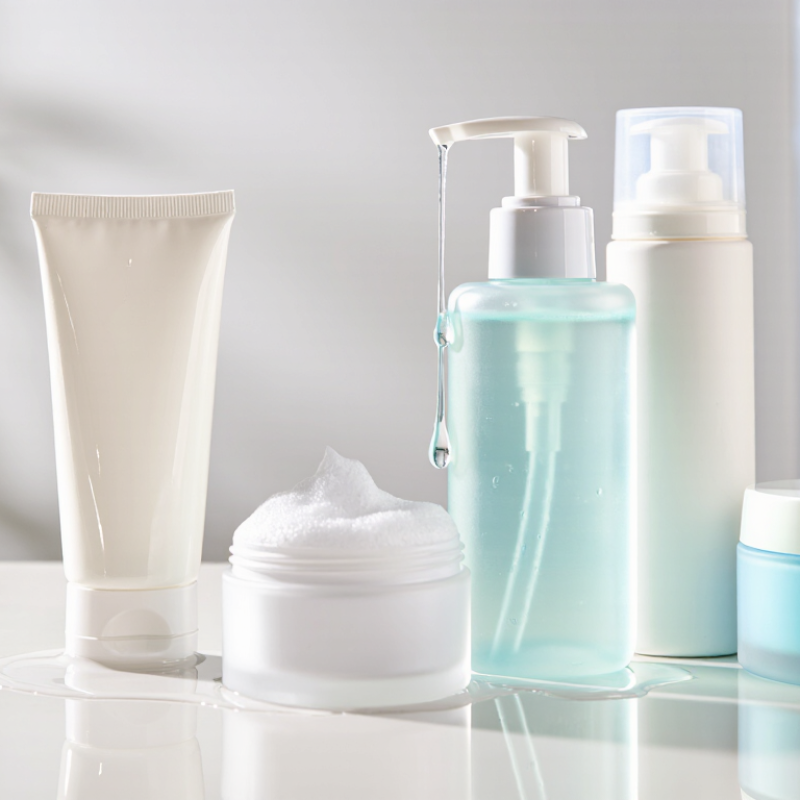
Facial cleanser OEM means a specialized manufacturer produces a cleanser for your brand’s specifications. You may provide a formula, request a custom formula, or choose from tested base formulations. The manufacturer then manages ingredient sourcing, filling, packaging, and batch production.
The process usually begins with a product brief. It may define skin type, texture, fragrance level, bottle size, and target market. Cosmetic chemists review the brief and develop laboratory samples. They assess pH, viscosity, foam, rinse feel, and preservative performance. Stability and microbiological testing help identify formula weaknesses before production. Documentation also supports responsible ingredient review and product claims.
The first sample is rarely perfect. A gel may feel sticky after rinsing. A creamy cleanser may need stronger packaging protection. Small changes can affect the whole formula. Careful communication matters here. Ask for test records, manufacturing standards, ingredient specifications, and clear quality procedures. Review every sample on real skin, not only in a laboratory beaker. That practical step can reveal tightness, residue, or irritation that technical data may miss.
After approval, the OEM partner prepares a production sample and confirms packaging details. Batch records, quality checks, and retained samples improve traceability. Reliable partners also explain minimum order quantities, lead times, testing limits, and claim requirements before signing an agreement. This process gives a brand more control, although it still requires careful decisions at every stage.
Why Choose Facial Cleanser OEM for Your Brand?
How OEM Supports Brand-Specific Cleanser Development
OEM turns a cleanser idea into a tested, repeatable product. The process starts with a brand-specific development brief. It should define target skin types, cleansing level, texture, scent, color, and price. Vague briefs create expensive revisions. An experienced OEM team can translate these preferences into surfactant choices and practical prototypes. For example, a low-foam gel may suit users who dislike tightness after washing. A cream cleanser may require different filling equipment and packaging protection.
OEM support continues through controlled testing. Chemists review pH, viscosity, microbial safety, stability, and compatibility with the selected bottle or tube. Pilot batches reveal details that laboratory samples can hide. A pump may clog. A fragrance may weaken after heat exposure. These findings guide measured adjustments before commercial production. Reliable partners document formulas, raw material specifications, batch records, and quality checks. This evidence strengthens traceability and supports responsible product claims.
Customization also depends on communication. Regular sample reviews let product teams compare foam, rinse feel, residue, and after-feel against clear acceptance standards. The first sample is rarely perfect. That is normal. A formula can feel elegant but still cost too much or fill poorly. Conversely, a stable formula may need a better sensory profile. OEM development works best as a practical exchange, not a one-time order. When technical expertise meets honest feedback, a facial cleanser becomes more consistent, usable, and aligned with its intended market.
Facial cleanser OEM development can align the formula with skin-friendly pH targets while supporting different cleanser technologies. The reference values below show commonly used pH ranges for facial cleansing products and the natural skin surface.
A mildly acidic pH is commonly selected for facial cleansers to better match the skin surface, while traditional soap-based cleansers are typically more alkaline. OEM development helps brands define the target pH, surfactant system, texture and usage experience for a specific product concept.
Why Choose Facial Cleanser OEM for Your Brand?
Key Benefits of Choosing Facial Cleanser OEM
Facial cleanser OEM gives brands practical control over product development. An experienced manufacturer can adjust surfactants, viscosity, fragrance, and packaging for a specific customer profile. A gentle gel may need different cleansing strength than a creamy milk cleanser. Small texture changes matter. They affect rinsing, foam, and the skin’s after-feel.
OEM production can shorten development time through tested base formulas and established equipment. It can also support consistent filling, batch records, stability checks, and microbiological testing. Reliable suppliers should explain ingredient functions and provide clear quality documentation. Ask about raw material traceability, retained samples, and batch release procedures. These details sound routine. They protect daily decisions.
Customization is useful, but it needs discipline. A lower-cost formula may feel less refined, while too many extracts can complicate testing and supply. Attractive concepts can lose focus during revisions. A clear brief helps prevent that. Define skin type, target price, package size, sensory goals, and required market documents before sampling. OEM is not automatically cheaper or faster. Its value appears when technical experience, communication, and quality controls work together.
Creating an OEM facial cleanser begins with a clear consumer problem. Grand View Research estimated the global facial cleanser market at approximately USD 13.9 billion in 2023, showing strong demand but intense competition. Define skin type, texture, fragrance level, and price before requesting samples. A gentle gel may suit oily skin, while a creamy, low-foam formula may better support dry skin.
Work with an experienced manufacturer to develop the formula and ingredient brief. Request full ingredient percentages, allergen information, microbiological testing, stability results, and packaging compatibility data. Test the cleanser on intended users, not only in a laboratory. Watch for tightness, redness, pump clogging, and unpleasant residue after rinsing. Small details matter. The first sample may feel impressive but perform poorly after four weeks.
Before production, confirm minimum order quantities, lead times, batch records, and quality-control checkpoints. ISO 22716 cosmetic good manufacturing practices can provide a useful production framework. The FDA’s Voluntary Cosmetic Registration Program data also shows why accurate product records and responsible claims matter, although registration does not replace legal compliance. Prepare compliant labels, usage directions, warnings, and evidence for every performance statement. Launch with a controlled pilot batch, collect reviews, and track returns, repeat purchases, and complaints. Some assumptions will be wrong. Adjust the formula or packaging when the evidence demands it.
Choosing a facial cleanser OEM begins with partner fit, not a low quotation. Ask how the factory develops formulas for different skin types and markets. Review its quality system, production capacity, and batch records. Request ingredient specifications, safety data, and microbial testing results. A reliable partner should explain each document clearly. Vague answers deserve caution. Small details matter, including water quality, filling temperature, and pump compatibility. These factors can affect texture, preservation, and user experience.
Test more than one sample. Compare foam, rinsing feel, fragrance, pH, and skin comfort after repeated use. Run stability checks in realistic packaging, including warm and cool conditions. Ask about minimum order quantities, sampling fees, lead times, and change-control procedures. Your team should also confirm whether proposed claims have suitable evidence. A strong OEM partner welcomes questions and records decisions. I would not trust a polished sample alone. It may hide scale-up problems.
Tips: Visit the facility when practical, or request a live virtual audit. Check how raw materials are approved and how deviations are handled. Clarify formula and artwork ownership before signing. Keep written specifications for color, scent, viscosity, and fill volume. No detail is too small. Stay practical. Supplier selection is never perfectly predictable. Leave room for a second trial, because production can reveal issues that laboratory samples miss.
OEM turns a cleanser concept into a tested, repeatable product. It connects formulas, packaging, testing, and production records.
Define skin type, cleansing strength, texture, scent, color, package size, and target price. Vague requests create costly revisions.
They can develop low-foam gels, creamy cleansers, milk textures, and other formats. Each texture affects rinsing and filling equipment.
Testing may cover pH, viscosity, microbial safety, stability, and packaging compatibility. Heat testing can reveal weakened fragrance or separation.
Laboratory samples can hide production problems. A pilot batch may expose pump clogging, poor filling, or unexpected residue.
Ask users about tightness, redness, foam, rinse feel, and after-feel. Observe results after several weeks, not only after one wash.
Request ingredient specifications, formula records, batch documents, stability results, retained samples, and quality-control records. Traceability matters.
No. Established formulas may reduce development time, but customization can increase testing, revisions, and supply complexity.
Confirm minimum order quantities, lead times, filling details, testing checkpoints, labels, directions, and required market documents.
Revise the formula or packaging using evidence. Our first assumption can be wrong. That is part of development.
Facial Cleanser OEM enables businesses to develop customized cleansing products without managing every stage of manufacturing in-house. An OEM partner can support the process from concept development and formula selection to packaging design, testing, production, and quality control. This approach allows a brand to create cleansers tailored to specific skin types, textures, fragrances, ingredient preferences, and market positioning while improving efficiency and reducing the resources required for product development.
Launching an OEM facial cleanser typically involves defining the product concept, choosing suitable ingredients and packaging, reviewing samples, confirming specifications, completing necessary quality checks, and arranging production. The right Facial Cleanser OEM partner should offer reliable manufacturing capabilities, clear communication, flexible customization options, consistent quality standards, transparent lead times, and strong support throughout the project. By selecting a capable partner, businesses can develop distinctive facial cleansers more efficiently and establish a solid foundation for long-term product growth.