
Industry Knowledge Hub

Cosmetics & Skincare Insights

Expert Advice on OEM/ODM Manufacturing & Private Label Trends

0%

China has become a major sourcing base for brands seeking reliable cosmetics OEM manufacturers. Its industrial clusters offer formulation laboratories, packaging suppliers, filling facilities, and quality-control teams within practical reach. However, choosing a partner requires more than comparing factory prices. A polished website can hide limited testing capacity, weak documentation, or inconsistent batch control.

This guide examines the Top 10 Cosmetics OEM Manufacturers in China through a buyer’s lens. It considers formulation expertise, production scale, ingredient traceability, packaging flexibility, minimum order quantities, certifications, and communication quality. These details matter when a cream separates after shipping, a color differs between batches, or a launch date moves unexpectedly. Regulatory support also deserves careful attention, especially when products enter different international markets. Compliance is not a decorative promise.

Leonard Lauder, a respected cosmetics industry authority, once said, “The beauty business is a business of hope.” That hope needs evidence. Strong manufacturers support it with stability testing, retained samples, clear specifications, and transparent corrective actions. Some suppliers may excel at mass production but struggle with small, experimental orders. Others may offer impressive customization yet lack mature supply planning. No ranking can remove every risk. Buyers still need audits, sample reviews, reference checks, and written agreements. This list is therefore a practical starting point, not a guarantee. It highlights manufacturers that appear capable, while recognizing an uncomfortable truth: even experienced brands can overlook small operational details that later become expensive problems.
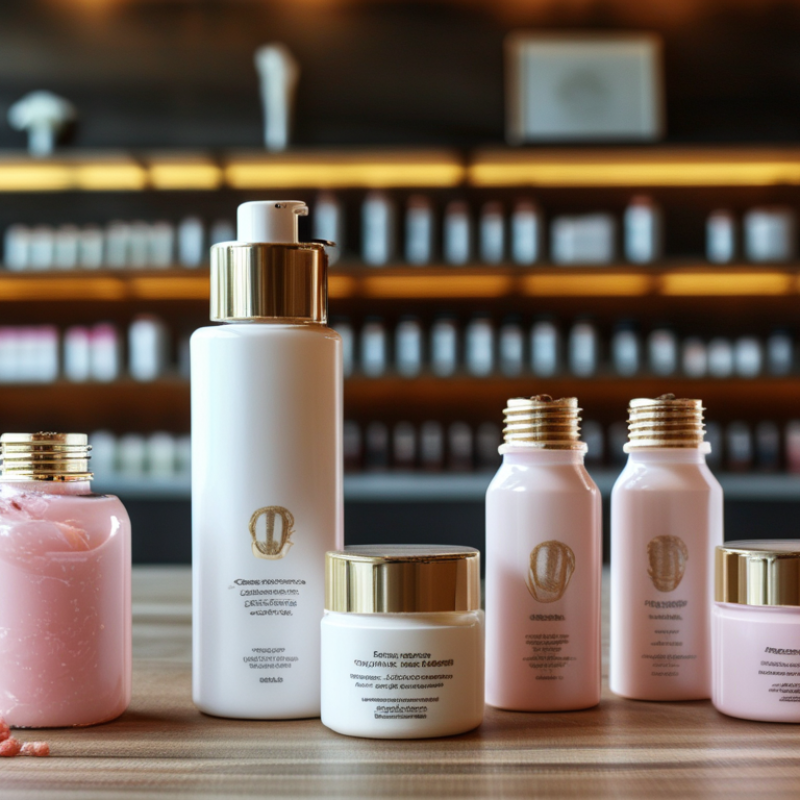
Top 10 Cosmetics OEM Manufacturers in China

What Are Cosmetics OEM Manufacturers and Why Do Brands Choose China?

Top 10 Cosmetics OEM Manufacturers in China

Cosmetics OEM manufacturers produce formulas, packaging, and finished products for independent beauty businesses. OEM means the manufacturer follows a client’s specifications, while ODM partners may offer ready-developed formulas. The distinction matters when a brand controls claims, texture, ingredients, and testing responsibilities.

China remains attractive because its supply chain connects formulation labs, packaging factories, filling lines, and testing facilities. The United Nations Industrial Development Organization reported that China generated about 31.6% of global manufacturing value added in 2022. This industrial depth can reduce coordination time and support flexible production volumes. China’s National Bureau of Statistics recorded cosmetics retail sales of RMB 414.2 billion in 2023. That domestic demand encourages manufacturers to improve textures, packaging, and quality systems.

In practical sourcing, buyers should inspect ISO 22716 procedures, batch records, stability testing, and ingredient traceability. A factory tour can reveal details that a sales deck hides, such as warehouse humidity or line cleanliness. Grand View Research identifies product innovation and premiumization as important forces in China’s cosmetics market. Yet lower quotations do not guarantee better value. I have seen projects lose time through unclear artwork files, changing minimum order quantities, and incomplete product claims. China offers strong manufacturing options, but supplier selection still requires audits, sample reviews, and written specifications. Cheap is not always efficient.

How the Top 10 Chinese Cosmetics OEM Manufacturers Were Selected

Top 10 Cosmetics OEM Manufacturers in China

The top ten manufacturers were selected through a practical, evidence-based review. The goal was not to reward visibility alone. Each candidate was assessed for formulation expertise, production capacity, quality systems, and export experience. Public records, technical documents, facility information, and verified customer feedback supported the comparison. Factory evidence mattered. Public reputation alone was not enough.

Manufacturing capability received strong weight in the selection process. We reviewed production lines, filling equipment, packaging options, and minimum order quantities. Auditors examined raw material controls, batch records, stability testing, and finished-product inspections. We also considered whether each facility followed recognized cosmetic manufacturing practices. Sample testing revealed useful details, such as texture consistency, pump performance, label accuracy, and color variation. Small defects can become expensive at scale.

Commercial reliability also influenced the result. We considered response speed, project management, documentation quality, and delivery records. Compliance support was essential. Manufacturers needed to explain ingredient files, safety assessments, and market-specific labeling requirements clearly. No ranking can capture every supplier’s daily performance. Production teams change, and online information becomes outdated. This selection should therefore be reviewed again before any contract is signed, with fresh samples, current certificates, and an independent factory assessment.

Top 10 Cosmetics OEM Manufacturers in China: Capabilities and Specialties

China’s top ten cosmetics OEM manufacturers differ sharply in capabilities and specialties. Some focus on facial skincare, using controlled emulsions, botanical extracts, and active ingredients. Others specialize in makeup, offering pressed powders, liquid foundations, lip products, and shade matching. Several facilities support haircare, body care, cleansing products, and fragrance-free formulas. Their stronger factories usually provide in-house formulation, pilot production, packaging development, stability testing, and batch traceability.

Manufacturing depth matters. Look for clean production zones, documented quality systems, and testing for microbiological safety, viscosity, pH, and product stability. Experienced suppliers can adjust texture after pilot trials and explain why a formula may separate, oxidize, or lose fragrance. Some also manage bottles, pumps, cartons, labeling, and export documents. However, a polished website proves little. A factory may have excellent skincare equipment but limited color-matching experience. I have found that sample consistency often reveals more than sales presentations.

Tips: Request recent audit records, product samples, ingredient specifications, and a clear minimum order quantity. Confirm who owns the formula and how changes are approved. Ask for stability data under realistic storage conditions. Small details matter. A written quality agreement can prevent costly misunderstandings. Suppliers should also explain lead times, rejected-batch procedures, and corrective actions. These checks do not guarantee perfection, but they make capability claims easier to verify.

Top 10 Cosmetics OEM Manufacturers in China: Capabilities and Specialties

The chart compares the most commonly highlighted capabilities among leading Chinese cosmetics OEM manufacturers. Skincare formulation, private-label production, packaging development, and regulatory support are core services, while clean beauty, color cosmetics, and functional products represent important specialty areas. Scores are capability-coverage indicators rather than company rankings.

Key Services, Certifications, and Production Strengths to Compare

Top 10 Cosmetics OEM Manufacturers in China: Key Services, Certifications, and Production Strengths to Compare

When comparing the top 10 cosmetics OEM manufacturers in China, examine services beyond product development. Reliable factories usually support formula creation, sample testing, packaging sourcing, filling, labeling, and batch documentation. Ask whether their chemists can adjust texture, fragrance, color, and skin feel after stability results. A serious supplier should provide ingredient specifications, Certificates of Analysis, safety data, and traceable batch records. ISO 22716 or equivalent GMP systems can indicate controlled production practices. However, a certificate alone proves little. Check its validity, issuing body, covered site, and production scope. This step is often overlooked.

Production strength also matters. Compare emulsification tanks, powder pressing equipment, cleanroom controls, filling accuracy, and monthly capacity. Some manufacturers specialize in creams and serums, while others handle makeup, cleansing products, or personal care formats more efficiently. Review their microbiological testing, preservative evaluation, compatibility testing, and stability study process. Confirm whether testing occurs internally or through qualified laboratories.

Low minimum order quantities may sound attractive, but they can hide weaker cost control or limited customization. Ask for pilot-batch evidence. Real experience appears in consistent color, viscosity, weight, and packaging performance across repeated orders. Communication can still be imperfect, even with capable teams. Clear specifications, approved samples, and inspection checkpoints reduce avoidable disputes. Assess regulatory support for each target market, rather than assuming one document works everywhere.

How to Choose the Right Chinese Cosmetics OEM Partner for Your Brand

Top 10 Cosmetics OEM Manufacturers in China

How to Choose the Right Chinese Cosmetics OEM Partner for Your Brand

Choosing a Chinese cosmetics OEM partner requires more than comparing factory prices. Start by checking manufacturing qualifications, quality systems, and export experience. Request current certifications, production licenses, audit reports, and recent batch records. A reliable factory should explain its testing process clearly. Ask how it controls raw materials, water quality, filling accuracy, and microbiological safety. Visit the facility when possible. Clean floors and organized storage matter.

Product development reveals a partner’s real expertise. Discuss your texture, packaging, target market, and expected production volume. Ask for stability testing, compatibility testing, and complete ingredient documentation. The team should understand INCI naming, restricted ingredients, labeling duties, and claims substantiation for your sales regions. Do not accept vague promises. A strong OEM partner provides written specifications, sample revisions, quality standards, and certificates of analysis for finished batches.

Commercial details deserve equal attention. Confirm minimum order quantities, lead times, payment stages, mold ownership, confidentiality, and procedures for handling defective goods. A low quotation may hide weak testing or expensive packaging changes. No audit catches everything. Even experienced sourcing teams miss small inconsistencies between approved samples and mass production. Build approval checkpoints into the contract, including color, fragrance, viscosity, filling weight, and carton details. Keep communication documented. A responsive factory is valuable, but careful records protect decisions when production becomes complicated.

Top 10 Cosmetics OEM Manufacturers in China - How to Choose the Right Chinese Cosmetics OEM Partner for Your Brand

Rank Anonymous OEM Profile Core Product Strengths Common Formats Quality & Compliance Documents to Request Typical MOQ Typical Bulk Lead Time Best Fit for
1 Profile A: Full-Service Skincare OEM Formula development, stability testing, filling, packaging, and export documentation. Serums, creams, lotions, cleansers, masks, and eye-care products. ISO 22716 or equivalent GMP evidence, product specifications, COA, MSDS/SDS, microbiological test reports, and stability data. 1,000–3,000 units/SKU 45–75 days Brands requiring one supplier for development, production, and packaging.
2 Profile B: Color Cosmetics Specialist Pigment matching, pressed powders, liquid makeup, shade development, and color consistency. Foundations, concealers, lip products, mascaras, blushes, and eyeshadows. Ingredient compliance files, color additive documentation, batch COA, compatibility tests, and packaging migration reports. 3,000–10,000 units/SKU 50–90 days Makeup brands with multiple shades and strict color-matching requirements.
3 Profile C: Low-MOQ Startup Partner Ready-to-customize formulas, flexible packaging options, and smaller production runs. Basic skincare, body care, lip care, hair care, and gift sets. GMP certificate, ingredient list, allergen declaration, COA, microbial testing, and sample approval records. 500–1,500 units/SKU 30–60 days New brands testing demand before committing to larger volumes.
4 Profile D: Natural & Botanical Formula Partner Botanical extracts, essential-oil systems, natural emulsions, and clean-label formulation support. Facial oils, creams, balms, shampoos, conditioners, and body lotions. Raw-material origin records, allergen statements, preservative challenge tests, stability reports, and applicable natural-standard evidence. 1,000–5,000 units/SKU 45–80 days Brands positioned around natural, botanical, or clean-beauty products.
5 Profile E: High-Volume Mass-Market Manufacturer Automated production, cost control, high-capacity filling, and standardized product lines. Shower gels, lotions, shampoos, facial cleansers, and everyday personal-care products. Facility audit report, GMP records, batch traceability, in-process inspection records, COA, and finished-product testing. 10,000–50,000 units/SKU 60–100 days Established distributors and retailers seeking competitive unit costs.
6 Profile F: Premium Anti-Aging R&D Partner Active-ingredient systems, texture development, efficacy testing coordination, and premium packaging. Concentrates, ampoules, eye creams, treatment creams, and professional-use skincare. Stability data, compatibility testing, active-ingredient specifications, preservative challenge testing, and safety assessment documents. 2,000–8,000 units/SKU 60–100 days Premium skincare brands needing differentiated formulas and substantiated claims.
7 Profile G: Haircare & Scalp-Care OEM Viscosity control, cleansing systems, conditioning technology, and scalp-care development. Shampoos, conditioners, hair masks, scalp serums, styling products, and treatments. Formula specifications, stability reports, microbial testing, packaging compatibility data, COA, and claims-support documentation. 1,000–5,000 units/SKU 45–75 days Haircare brands requiring specialized cleansing and conditioning performance.
8 Profile H: Sheet Mask & Hydrogel Specialist High-speed mask impregnation, essence development, substrate selection, and sealed pouch packaging. Sheet masks, hydrogel masks, eye patches, hand masks, and foot masks. Substrate specifications, microbial limits, preservative challenge testing, pouch compatibility, stability reports, and batch COA. 5,000–30,000 units/SKU 40–75 days Promotional, seasonal, and high-repeat skincare programs.
9 Profile I: Sustainable Packaging & Refill Partner Refill systems, lightweight packaging, recyclable components, and packaging reduction projects. Cleansers, lotions, solid cosmetics, refill pouches, and low-water products. Packaging material specifications, recycled-content evidence, compatibility testing, drop-test reports, and recycling declarations. 2,000–10,000 units/SKU 60–100 days Brands prioritizing packaging reduction and sustainability-related product design.
10 Profile J: Export-Oriented Regulatory Support OEM International labeling coordination, document preparation, multilingual packaging, and export logistics. Skincare, body care, haircare, makeup, and complete product collections. GMP evidence, INCI ingredient lists, safety data, COA, MSDS/SDS, product information files, and destination-market label review. 1,000–10,000 units/SKU 50–90 days Export-focused brands selling across multiple international markets.
Selection note: MOQ and lead-time figures are typical planning ranges for Chinese cosmetics OEM projects and may vary by formula, packaging, testing requirements, order volume, and destination market. Before signing a contract, verify the manufacturer’s current licenses, GMP evidence, test reports, production capacity, quality agreement, and export documentation.

FAQS

How were the top cosmetics OEM manufacturers selected?

They were assessed through factory evidence, technical documents, public records, and verified customer feedback. Visibility alone was not enough.

Which manufacturing capabilities were reviewed?

Reviewers examined formulation, production lines, filling equipment, packaging options, and minimum order quantities. Equipment details mattered.

What quality checks are important before placing an order?

Check raw material controls, batch records, stability testing, and finished-product inspections. Also review microbiological safety, viscosity, pH, and color consistency.

What product categories can these manufacturers support?

Capabilities may include facial skincare, makeup, haircare, body care, cleansing products, and fragrance-free formulas. Specialties vary widely.

Why should buyers request product samples?

Samples reveal texture consistency, pump performance, label accuracy, shade variation, and possible separation. A polished presentation can hide weaknesses.

What should buyers ask about formula ownership?

Ask who owns the formula and how formula changes receive approval. This detail can prevent later disputes.

How can buyers verify a factory’s reliability?

Request recent audit records, current certificates, product samples, ingredient specifications, and delivery information. Consider an independent factory assessment.

What commercial details should be confirmed in writing?

Confirm minimum order quantities, lead times, rejected-batch procedures, corrective actions, and packaging responsibilities. Written terms reduce costly misunderstandings.

Do these evaluations guarantee perfect manufacturing performance?

No evaluation guarantees perfection. Teams change, information becomes outdated, and a supplier may perform differently later.

What should happen before signing a manufacturing contract?

Review fresh samples, current certificates, stability data, and a written quality agreement. Recheck everything.

Conclusion

China has become a leading destination for brands seeking reliable cosmetics OEM manufacturing because of its mature supply chain, flexible production capacity, competitive costs, and ability to support both emerging and established product lines. A Cosmetics OEM Manufacturer can help transform product concepts into finished goods through formulation development, packaging coordination, testing, filling, and quality control. This article explains what OEM manufacturers do, why companies choose Chinese partners, and the criteria used to evaluate the top ten manufacturers, including experience, innovation, production scale, and customization capabilities.

It also compares essential services, certifications, factory standards, research and development resources, minimum order quantities, lead times, and quality assurance systems. To select the right partner, brands should clearly define their product goals, target market, budget, packaging needs, compliance expectations, and communication requirements. A careful assessment of technical expertise, transparency, flexibility, and long-term cooperation potential can help ensure a safe, efficient, and consistent cosmetics manufacturing partnership.
Evelyn Carter

Evelyn Carter

Evelyn Carter is a seasoned marketing professional dedicated to helping businesses understand and benefit from practical, high-quality products and services. With a strong background in market research, customer communication, content strategy, and product positioning, Evelyn combines industry......