
Choosing a Cosmetics ODM Manufacturer can shape a beauty brand long before the first product reaches a customer. The decision affects formula quality, packaging accuracy, production timing, and future trust. A polished sample is not enough. You need evidence behind it.
As cosmetic chemist and industry educator Perry Romanowski reminds brand teams, “Cosmetic chemists are not magicians.” That warning matters. A manufacturer cannot rescue an unclear brief, unrealistic price, or rushed launch without consequences. Strong partners ask precise questions about texture, target skin type, ingredients, testing, MOQ, and filling capacity. They also explain limitations clearly.
This guide, “7 Tips to Choose a Cosmetics ODM Manufacturer,” focuses on practical signals you can verify. Look for transparent ingredient documentation, appropriate quality systems, batch traceability, stability testing, and responsive technical support. Request samples in airless pumps, jars, or tubes when packaging affects formula performance. Compare the pilot batch with the final production batch. Small differences can become visible on a retail shelf.
A factory tour can reveal more than a sales presentation. Notice cleanliness, storage temperatures, labeling controls, and how staff handle deviations. Ask for relevant certifications and confirm their scope. Do not rely on impressive logos alone.
No checklist is perfect. A lower quotation may seem attractive, yet hidden development fees can change the calculation. Even experienced buyers miss details. Careful comparison reduces that risk and helps you choose a Cosmetics ODM Manufacturer that supports safe, consistent, and credible product development.
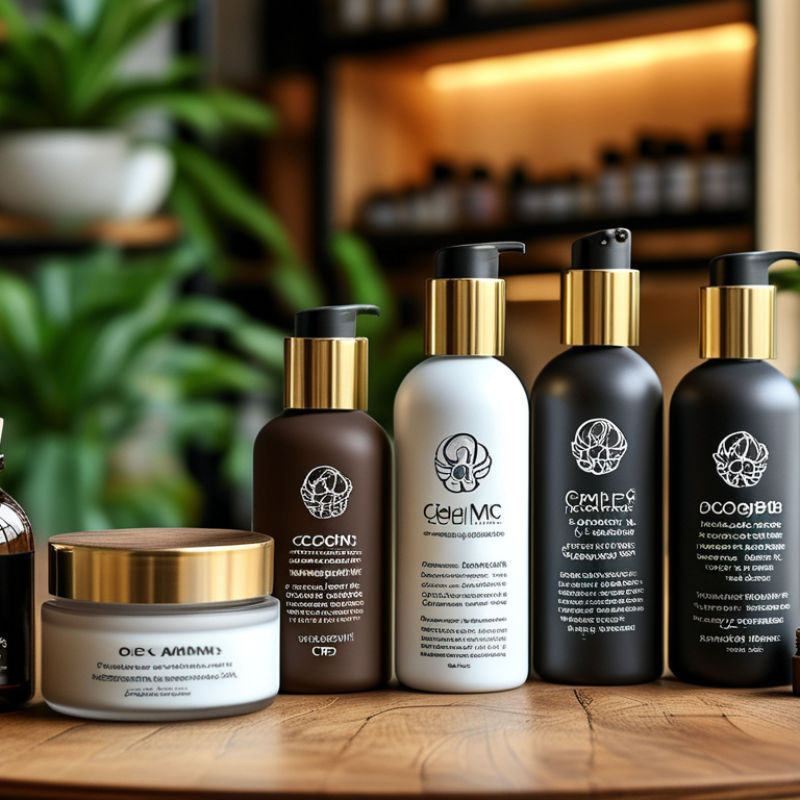
Before choosing a cosmetics ODM manufacturer, define the product on paper. Identify the format, target skin type, texture, fragrance level, pack size, and expected retail price. A clear brief prevents vague sampling and costly reformulation. It also helps the manufacturer assess stability testing, compatibility testing, safety documentation, and production capacity.
Your positioning must guide every technical decision. A sensitive-skin moisturizer needs different ingredients, testing, and claims than a high-performance color product. McKinsey’s 2023 beauty report estimated that the global beauty market could reach about $580 billion by 2027, with approximately 6% annual growth. Competition will remain intense. Distinct positioning matters.
Use evidence, not fashionable language. Euromonitor International reported continued consumer interest in wellness, transparency, and personalized beauty in its 2024 beauty and personal care analysis. Translate those themes into measurable requirements, such as fragrance-free formulas, recyclable packaging, or clinically supported claims. Avoid promising “instant repair” without suitable substantiation. That mistake is common.
Ask potential ODM partners for sample records, ingredient specifications, quality certificates, batch-traceability procedures, and realistic minimum order quantities. Request pilot samples in the final package, not only laboratory jars. The formula may change after filling. I learned this the hard way: a pleasant cream became difficult to dispense through a narrow pump. Leave room for revision. A strong product brief should challenge your assumptions, too. Your preferred texture may not suit your customer’s climate, routine, or spending habits.
Beauty demand is expanding. McKinsey’s 2023 beauty report forecasts approximately 6% annual growth through 2027. This growth increases pressure on ODM manufacturers to deliver consistent quality and flexible production.
Tip 1: Check experience with your product category, textures, packaging, and target markets. Ask for anonymized case evidence, not attractive promises.
Tip 2: Review the facility personally or through an independent auditor. Inspect water treatment, HVAC control, filling lines, clean storage, and microbiology testing areas.
Look beyond certificates.
Tip 3: Confirm ISO 22716 cosmetic GMP practices, ISO 9001 quality systems, and current audit records. The ISO Survey 2023 reported more than 1.26 million ISO 9001 certificates worldwide. Certification helps, but it does not prove strong cosmetic expertise.
Tip 4: Request batch records, stability data, deviation reports, and corrective-action histories. Records matter. A polished showroom can still hide weak batch control.
Tip 5: Examine traceability from raw material receipt to finished-goods release. One missing link deserves a clear explanation.
Tip 6: Test the manufacturer’s technical depth through a controlled pilot batch. Review viscosity, odor, color, filling accuracy, and microbial results. Ask how problems are escalated.
Tip 7: Verify regulatory support for each intended market, including ingredient review, labeling checks, and product documentation. Requirements vary, and assumptions create expensive delays.
It is tempting to choose the lowest quotation. A better assessment weighs equipment, people, evidence, and response speed. Some evaluations still rely too heavily on certificates; that is a weakness worth correcting.
7 Tips to Choose a Cosmetics ODM Manufacturer
Verify Formulation Development, Testing, and Safety Standards
A reliable cosmetics ODM manufacturer should explain how each formula moves from concept to pilot batch. Ask who selects raw materials, records specifications, and approves formulation changes. Experienced teams test texture, odor, color, viscosity, and package compatibility. Request dated development records, not only polished presentation slides. A promising sample means little without repeatable production data.
Safety testing should match the product type and intended use. Review stability studies under heat, light, and freeze-thaw conditions. Check microbiological testing, preservative effectiveness, and packaging interaction results. For products used near the eyes, demand tighter controls and suitable irritation assessments. Ask whether qualified safety professionals review the finished formula and its ingredients. A certificate alone is not proof of safe manufacturing.
Inspect the facility’s quality system and applicable cosmetic standards, such as ISO 22716 principles. Confirm batch traceability, sanitation procedures, deviation handling, and retained samples. Request test methods and acceptance limits in writing. Do not accept vague claims like “clinically safe” without supporting evidence. In practice, deadlines can pressure teams to skip questions. That is where judgment matters. I would also record unresolved issues, because my first assessment may be incomplete. A manufacturer willing to discuss limitations is often more dependable than one promising perfection.
Verify formulation development, testing, and safety standards through the required evidence areas of an EU Cosmetic Product Safety Report.
The chart groups the 10 mandatory information areas listed in Part A of Annex I of Regulation (EC) No 1223/2009: 3 composition and product areas, 2 quality and adverse-effect areas, and 5 exposure and toxicology areas. When evaluating an ODM manufacturer, request documented formulation records, stability and microbiological testing, packaging information, exposure assessment, toxicological evidence, and an independently prepared safety assessment.
Source: European Union, Regulation (EC) No 1223/2009 on cosmetic products, Annex I, Part A.
Choosing a cosmetics ODM manufacturer requires more than a polished catalogue. Compare the numbers behind each offer. Ask for the minimum order quantity per formula, shade, package, and production batch. A low headline MOQ may hide separate limits for components. Request a written quotation with testing, filling, labeling, freight, and tooling shown separately. This makes pricing easier to audit and prevents uncomfortable surprises.
Price should be tested against samples, not promises. Review the formula development fee, revision charges, deposit percentage, and payment milestones. Ask how unused materials are handled. A cheaper unit price can become expensive when packaging requires a large commitment. A launch plan can weaken when a small saving ignores storage and slow-moving stock. The lesson is imperfect but useful: calculate landed cost at three order volumes. Include realistic waste.
Lead time needs a calendar, not a single number. Separate sample approval, raw-material purchasing, packaging production, filling, inspection, and shipment. Ask what happens when one component arrives late. Confirm weekly capacity, backup suppliers, batch records, and quality-release procedures. A manufacturer with flexible lines may support growth better than one offering the fastest first batch. Still, capacity claims need evidence. Request recent production examples, anonymized if necessary, and service-level commitments. Also check communication hours and escalation contacts. Small details matter. The first forecast may be wrong. Build a buffer.
7 Tips to Choose a Cosmetics ODM Manufacturer
A reliable cosmetics ODM partner communicates with evidence, not promises. Request a weekly project schedule, named contacts, meeting minutes, and clear responses to technical questions. In supplier audits, I look for sample records, stability-test procedures, and documented corrective actions. Small details matter. McKinsey’s 2023 beauty report projects the global beauty market will approach $580 billion by 2027, with annual growth near 6%. That growth increases pressure on timelines, quality, and product differentiation. Ask how the manufacturer handles delays, failed samples, and formula changes. An honest answer is more valuable than perfect confidence.
Customization should include texture, scent, color, dosage, and regional compliance documentation. Ask for minimum order quantities, development fees, ownership of formulas, and sample revision limits. Do not accept “fully customized” without written boundaries. Packaging deserves equal attention. Review material specifications, decoration methods, compatibility testing, filling tolerances, and recyclability claims. The Ellen MacArthur Foundation’s 2023 Global Commitment report continues to show that plastic packaging waste remains a major industry challenge. A beautiful container can still leak, crack, or complicate recycling. Test it under heat, transport vibration, and repeated opening. I once underestimated cap usability; the design looked refined but felt awkward in daily use. That was a useful mistake.
The contract should define quality standards, inspection rights, delivery remedies, confidentiality, intellectual property, payment stages, and termination conditions. Let an independent legal professional review unfamiliar clauses. A low quotation may hide expensive revisions. Good communication can reduce risk, but it cannot replace measurable terms.
Define the product format, skin type, texture, fragrance level, pack size, and target retail price. A clear brief reduces vague samples and repeated reformulation. Leave room for revision. Customer climate and spending habits may challenge your assumptions.
Positioning should guide ingredients, testing, packaging, and product claims. A sensitive-skin moisturizer needs different controls from a high-performance color product. Use measurable requirements, such as fragrance-free formulas or recyclable packaging. Fashionable wording is not enough.
Request ingredient specifications, sample records, quality certificates, and batch-traceability procedures. Ask for dated development records, not only polished presentation slides. Review testing methods and acceptance limits in writing. A certificate alone proves little.
Review stability testing under heat, light, and freeze-thaw conditions. Check microbiological results, preservative effectiveness, and package interaction data. Products used near the eyes require tighter controls and suitable irritation assessments. Ask qualified safety professionals to review the finished formula.
Packaging can change how a formula performs during filling and daily use. A thick cream may feel pleasant in a jar but fail through a narrow pump. Test dispensing, leakage, appearance, and compatibility. Small details matter.
Ask for minimum quantities per formula, shade, package, and production batch. Request separate costs for testing, filling, labeling, freight, and tooling. Calculate landed cost at three order volumes. Include storage, waste, and slow-moving stock.
Separate sample approval, material purchasing, packaging production, filling, inspection, and shipment. Ask what happens when one component arrives late. Confirm capacity, backup suppliers, batch records, and quality-release procedures. Build a buffer. The forecast may be wrong.
Confirm communication hours, escalation contacts, deviation handling, sanitation procedures, and retained-sample policies. Ask for recent production examples, with sensitive details removed if needed. A manufacturer discussing limitations may be more reliable than one promising perfection. My assessment could still be incomplete.
Choosing the right Cosmetics ODM Manufacturer is an important step in building a successful beauty product line. Start by defining your product requirements, target customers, brand positioning, desired ingredients, packaging style, and performance expectations. Then evaluate each manufacturer’s industry expertise, production facilities, quality systems, and relevant certifications. A reliable partner should also provide professional formulation development, product testing, stability evaluation, and clear safety documentation to help ensure consistent quality and regulatory compliance.
Before making a decision, compare minimum order quantities, pricing structures, production lead times, and supply capacity to determine whether the manufacturer can support both initial launches and future growth. Review their communication process, customization options, packaging services, and contract terms carefully. Transparent discussions about intellectual property, revisions, quality control, delivery schedules, and after-sales support can reduce misunderstandings and create a stronger long-term partnership. A thorough evaluation will help you select a manufacturer that matches your goals, budget, and product development plans.